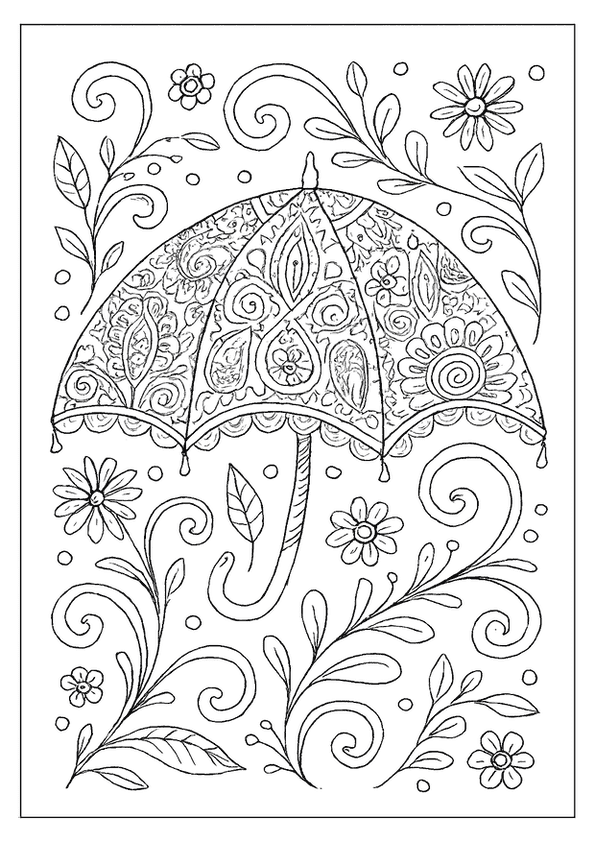
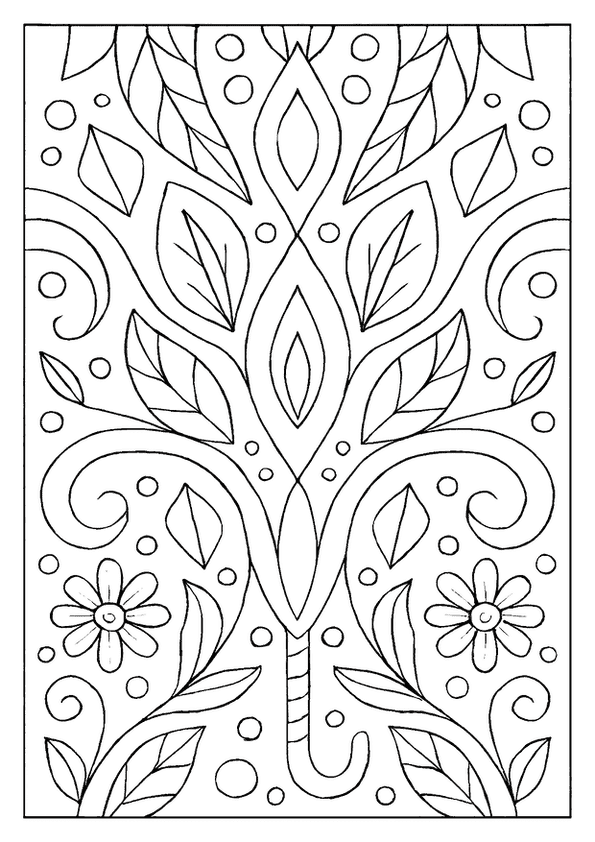
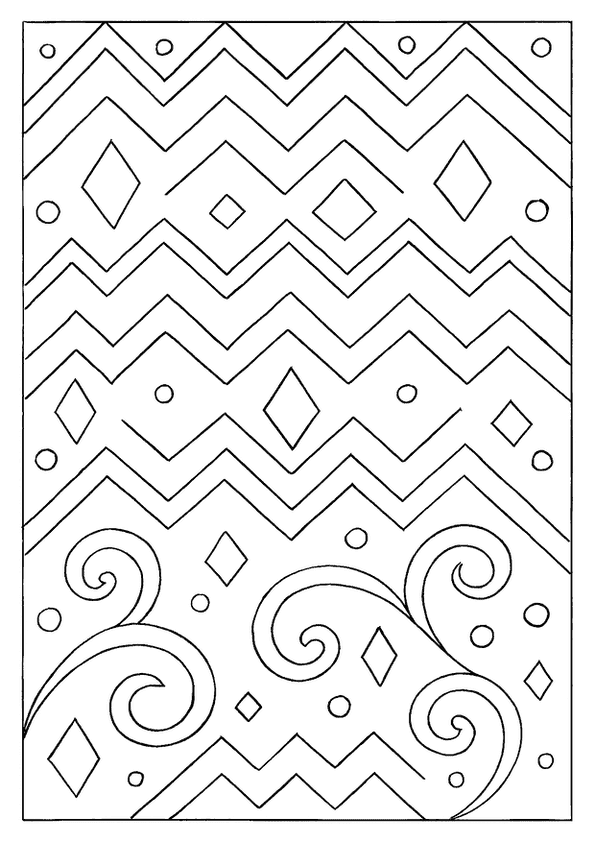
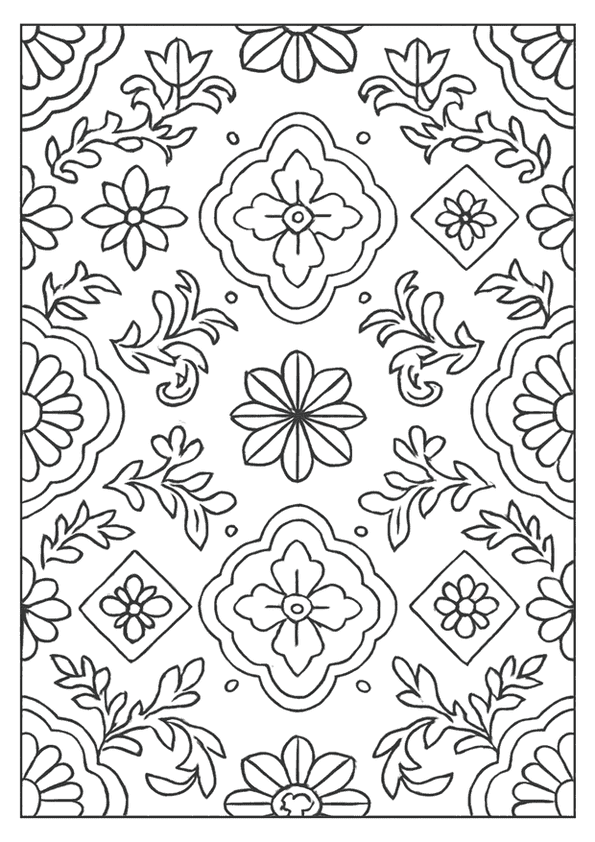
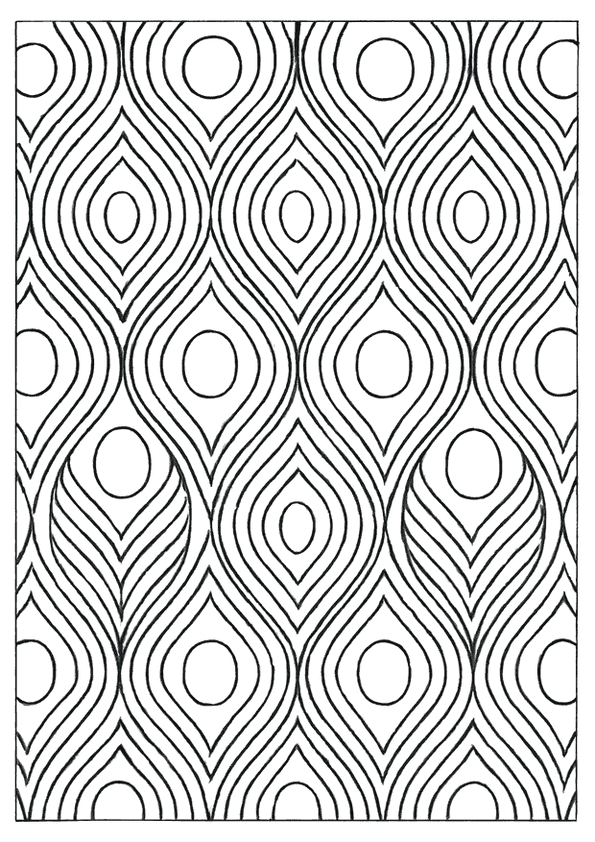
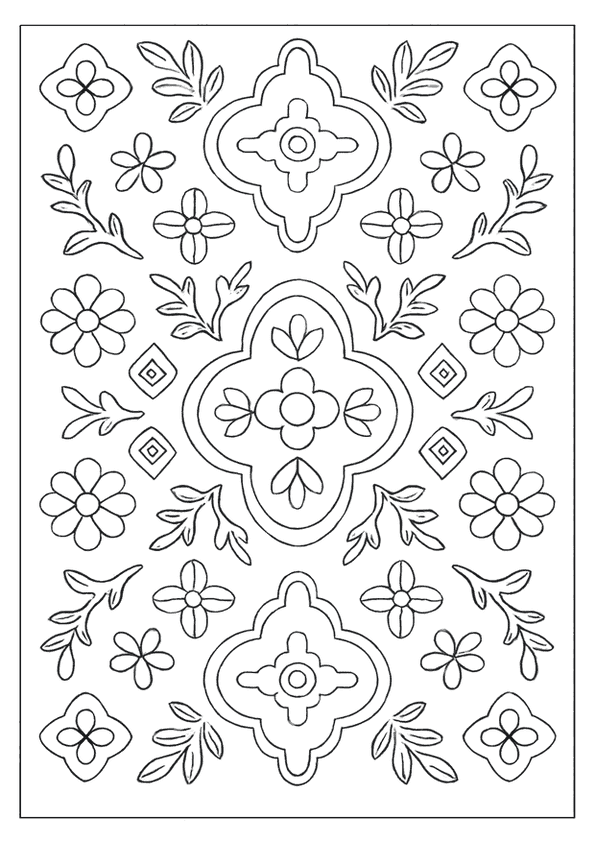
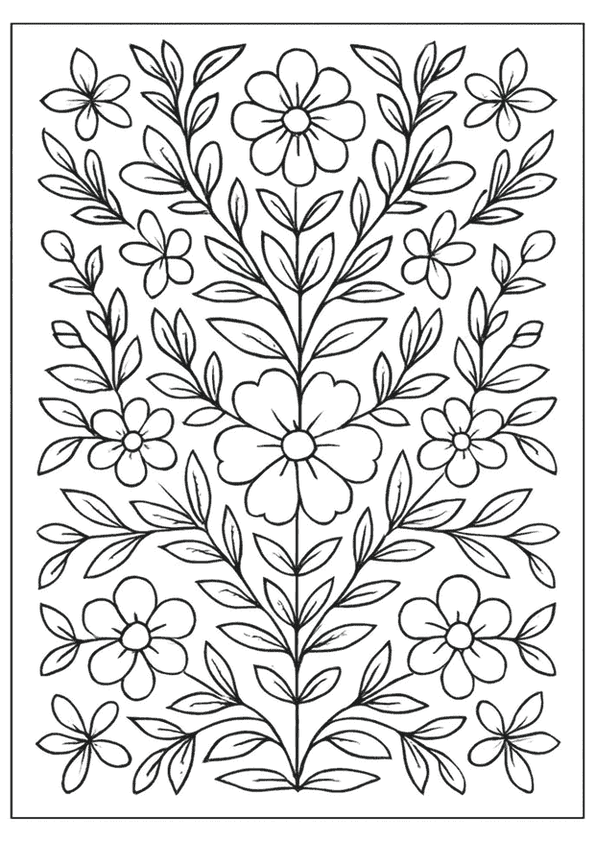
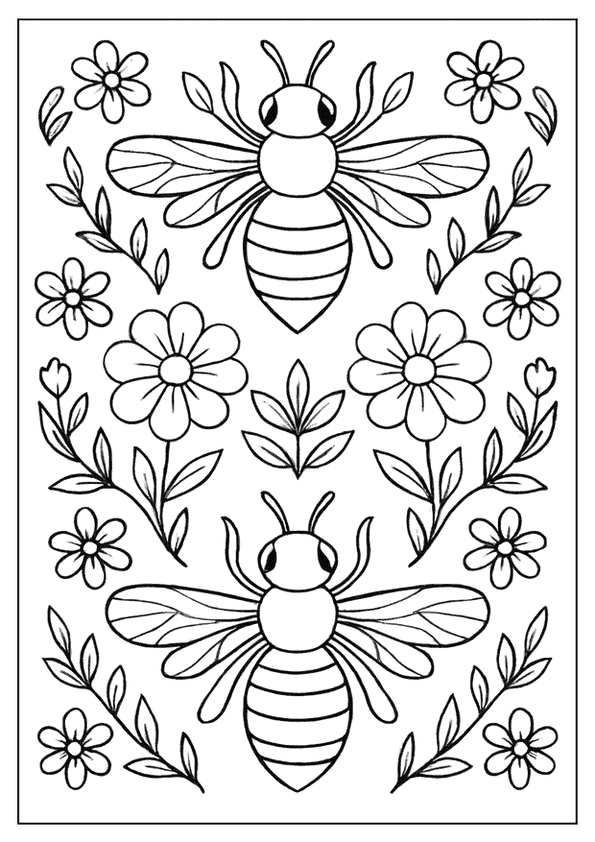
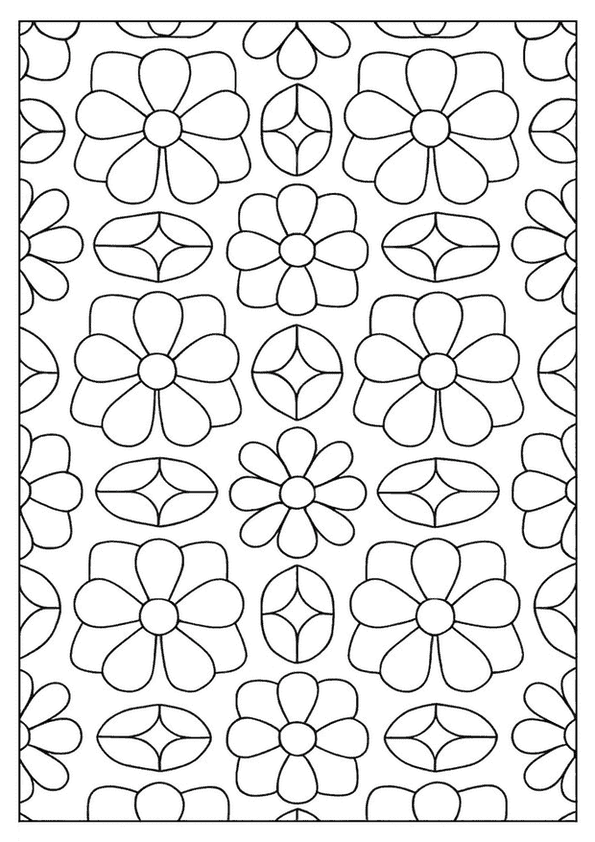
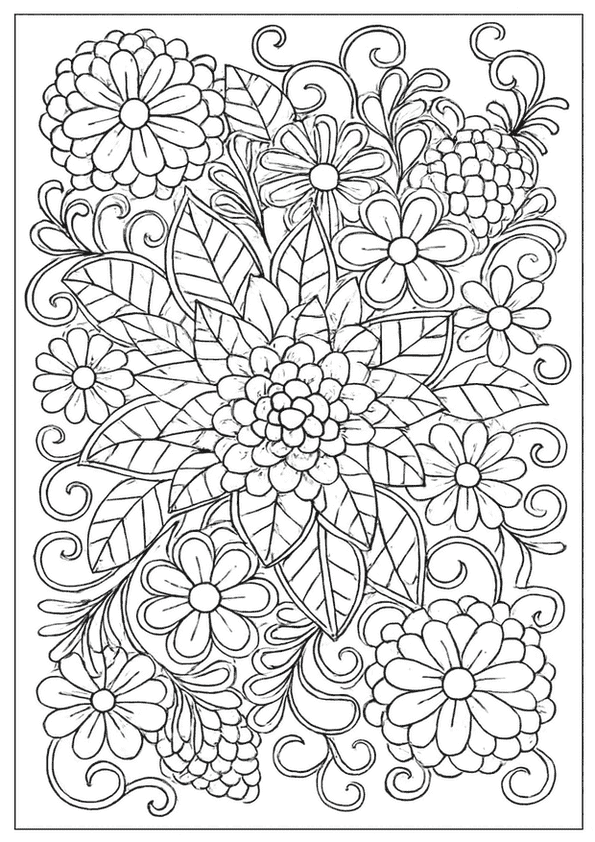
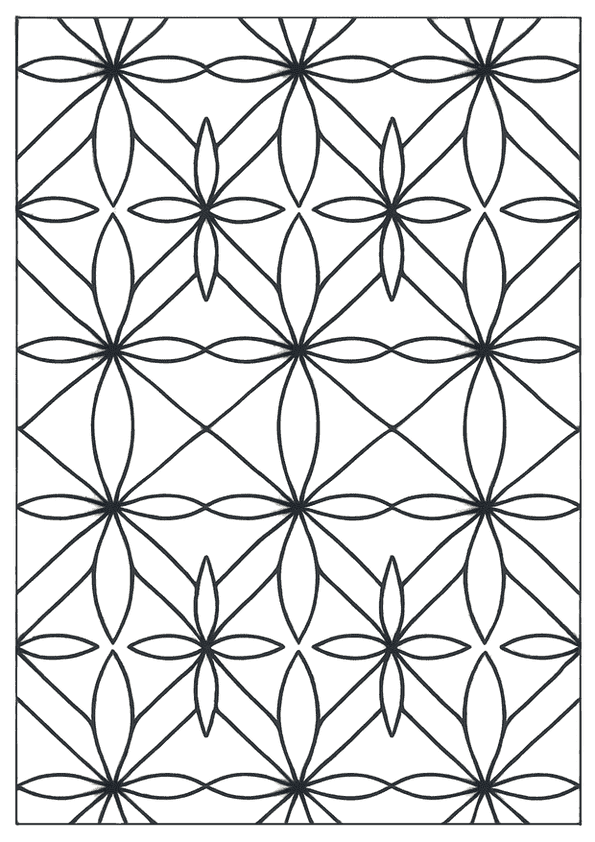
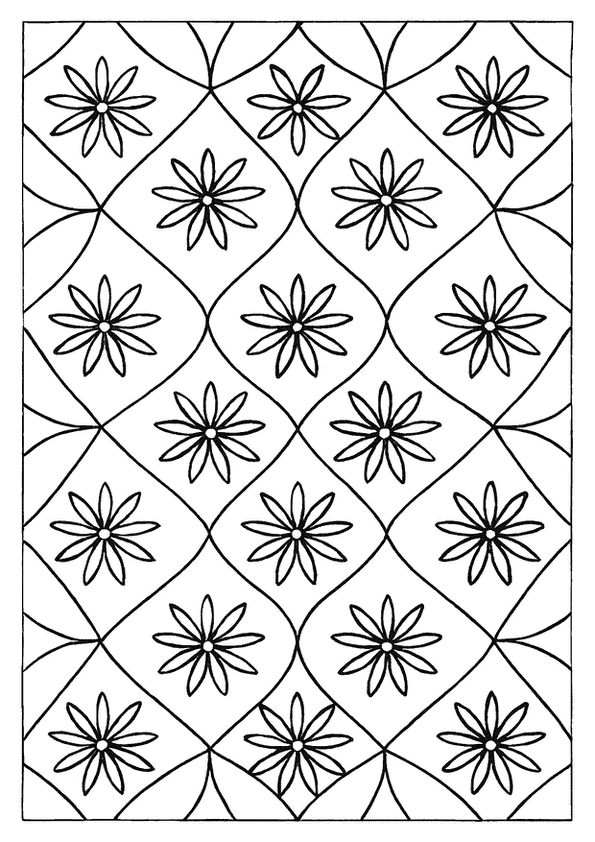
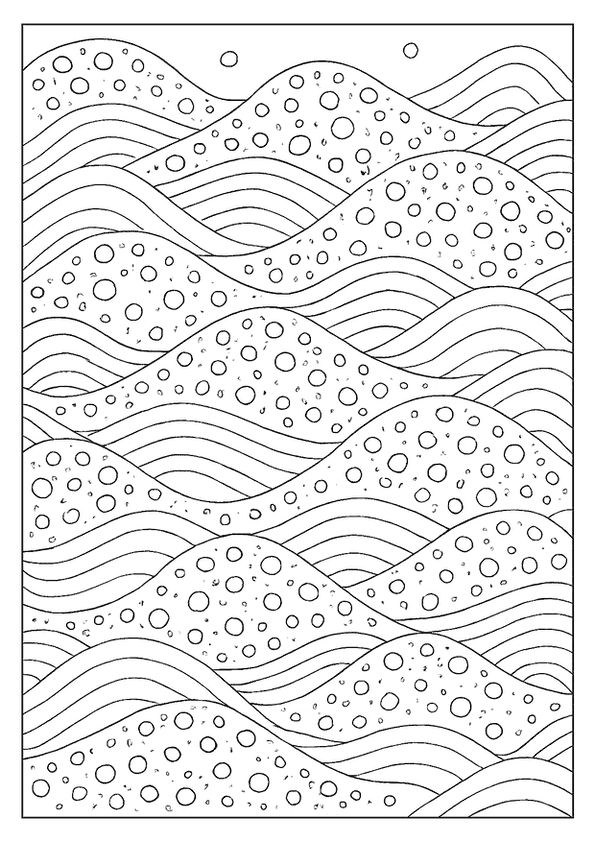
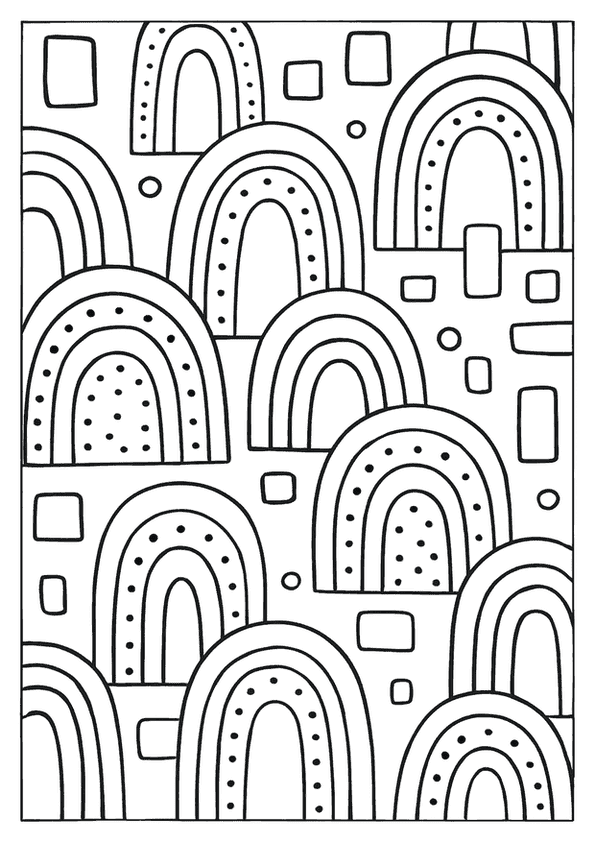
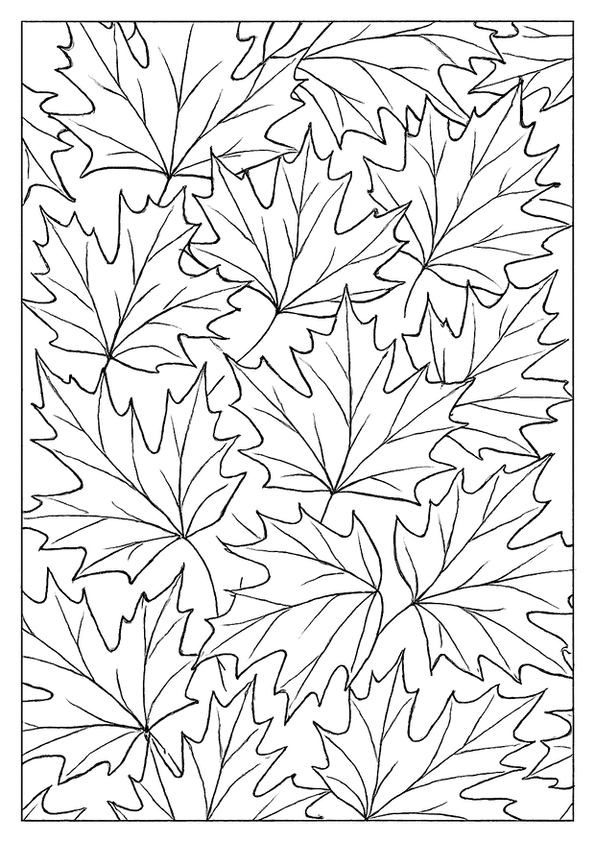
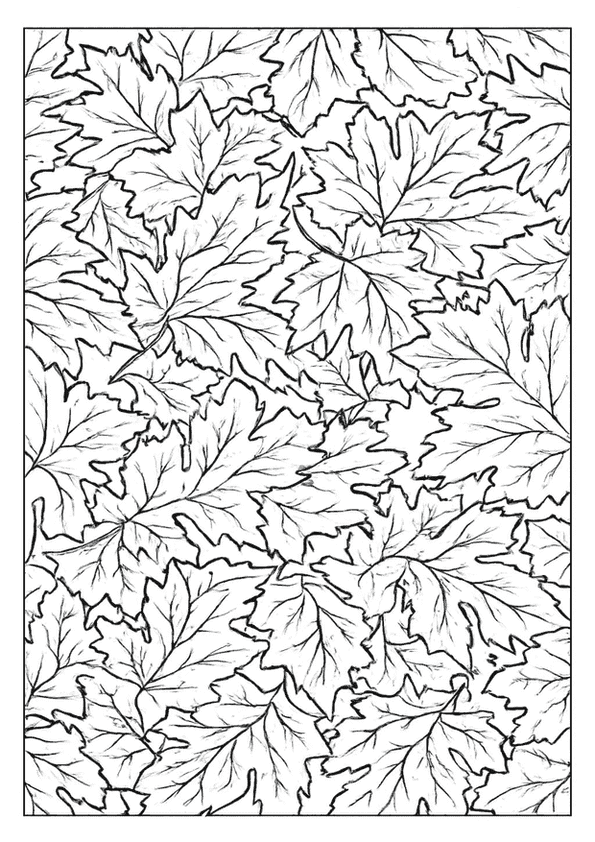
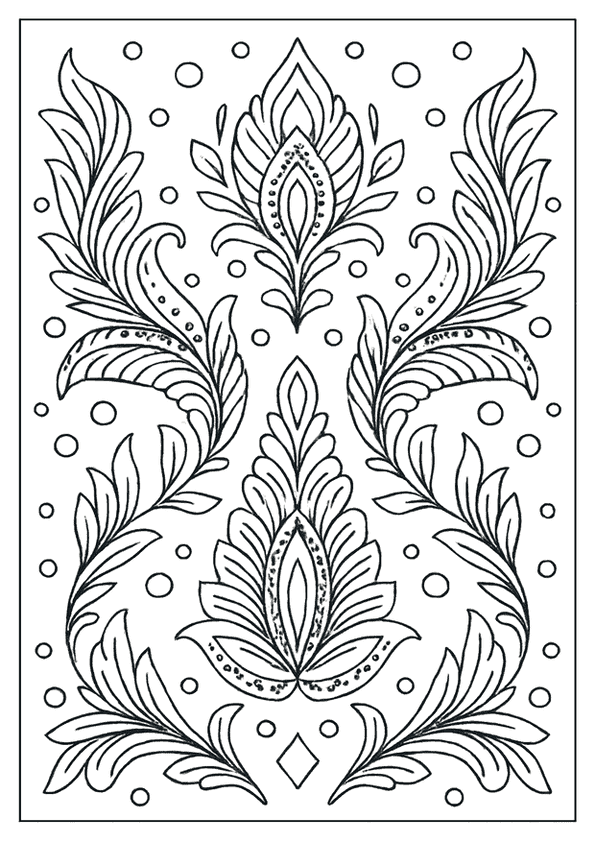
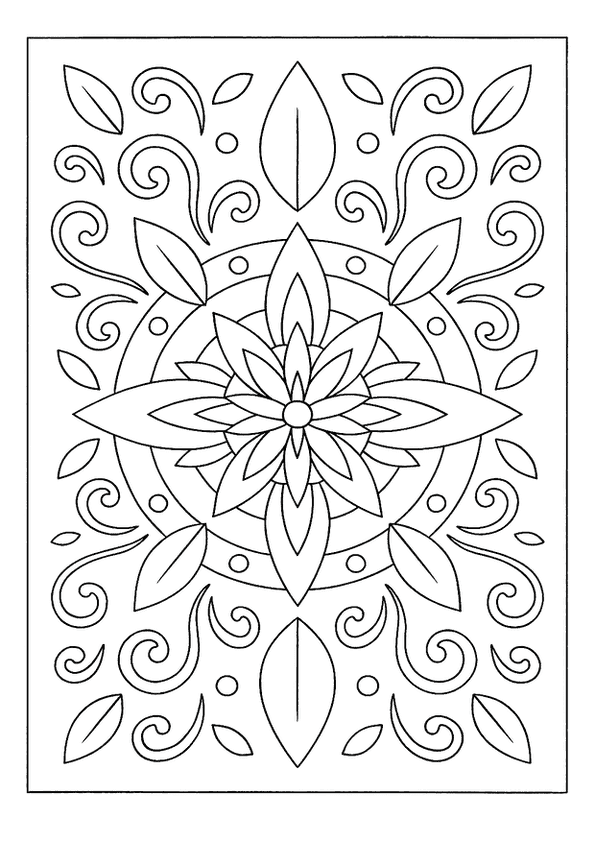
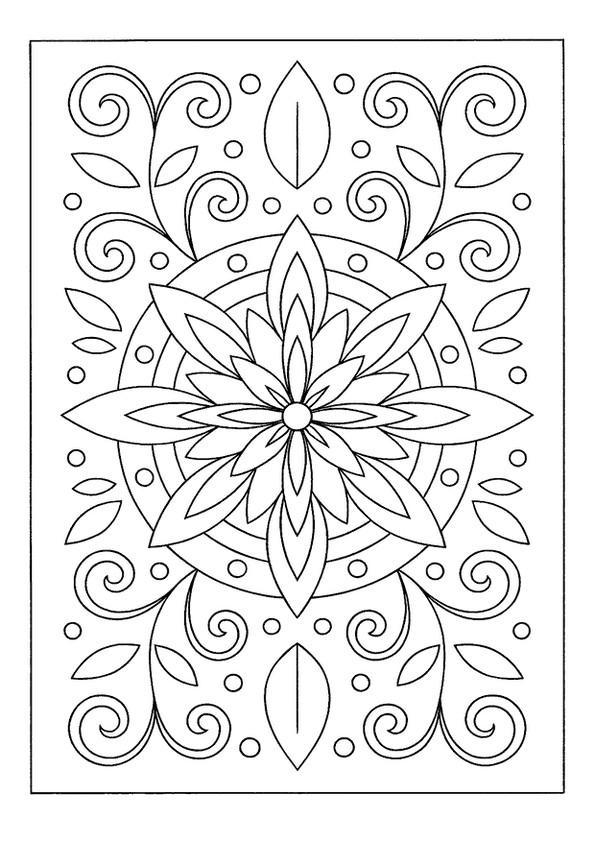
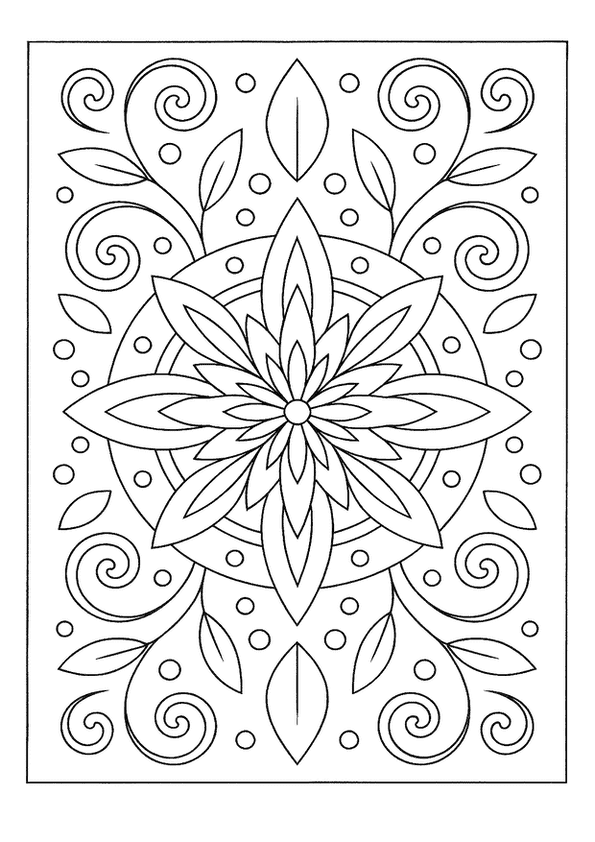
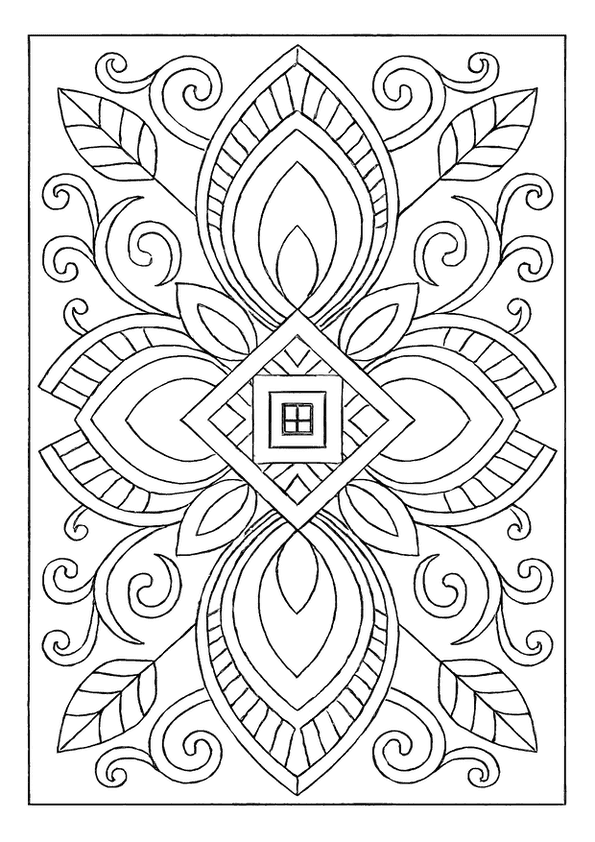
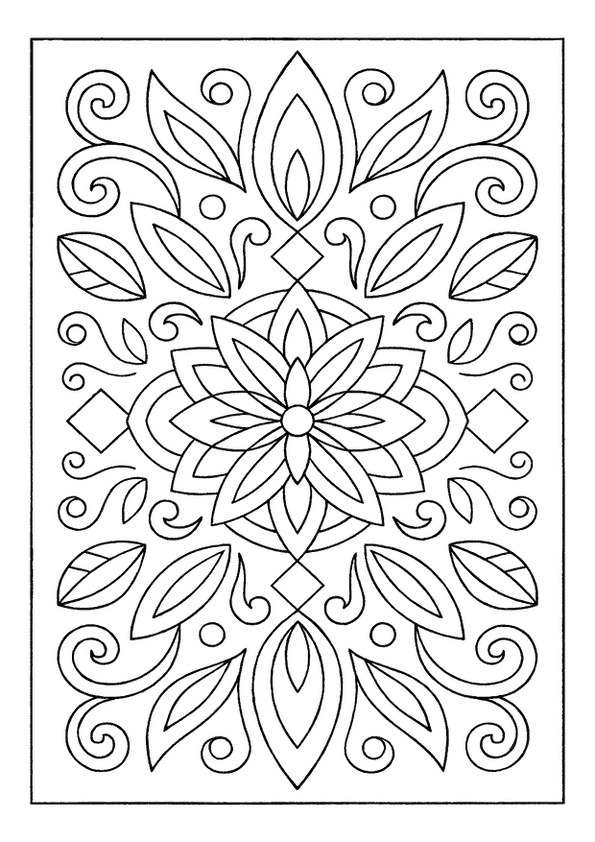
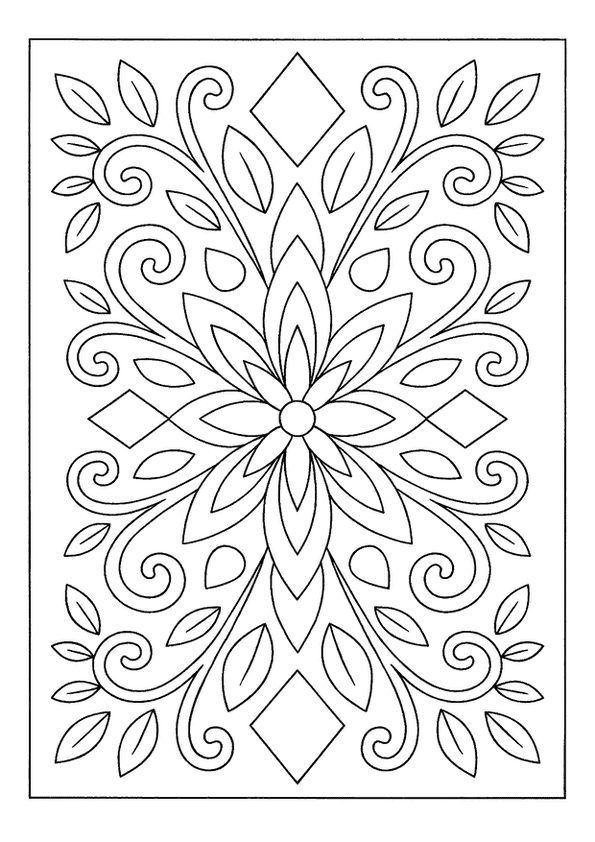
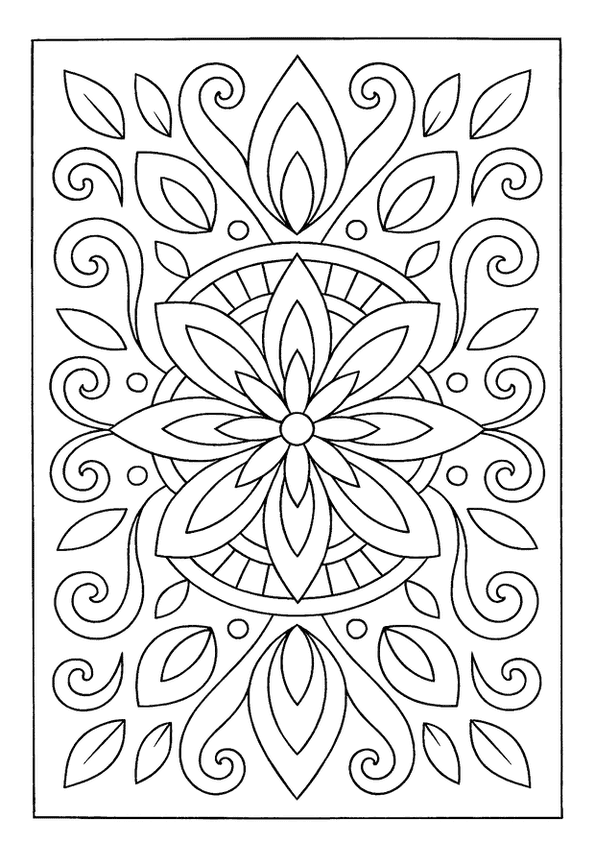
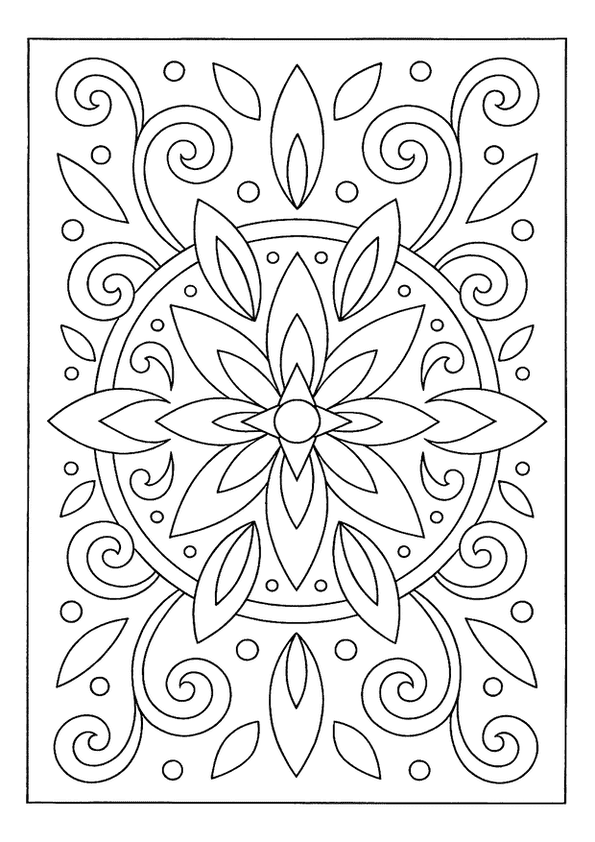
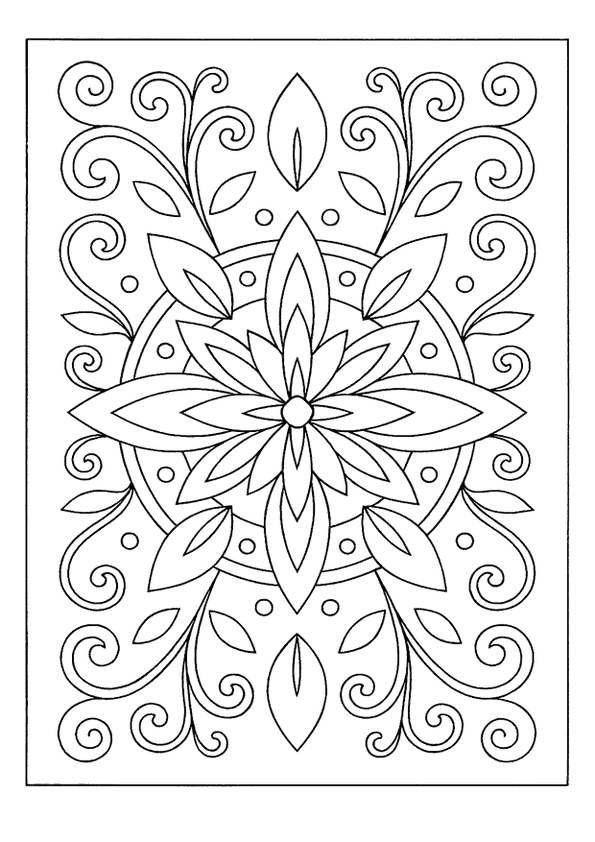
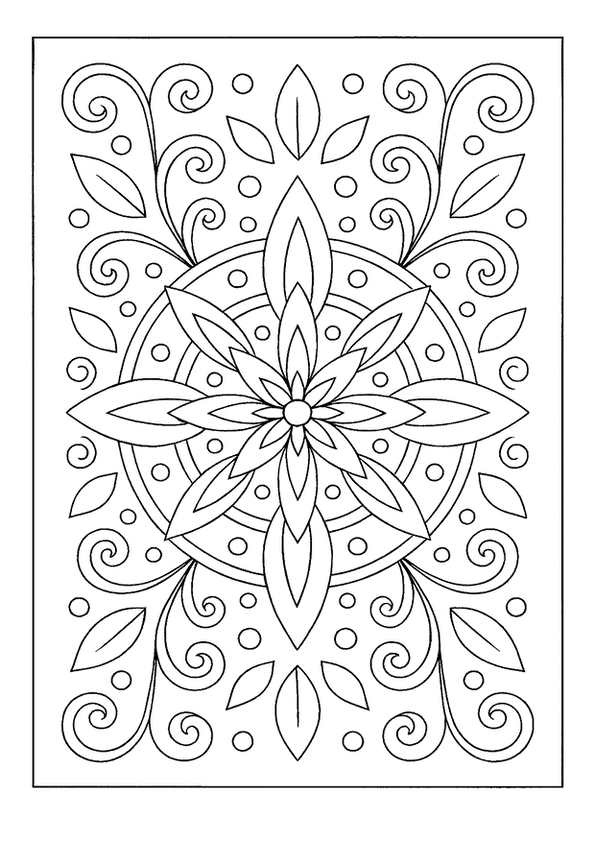
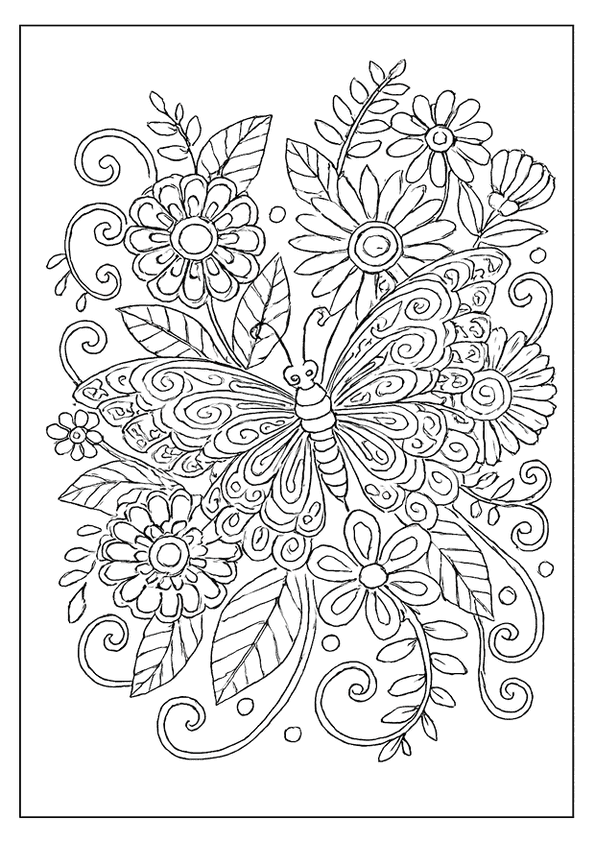
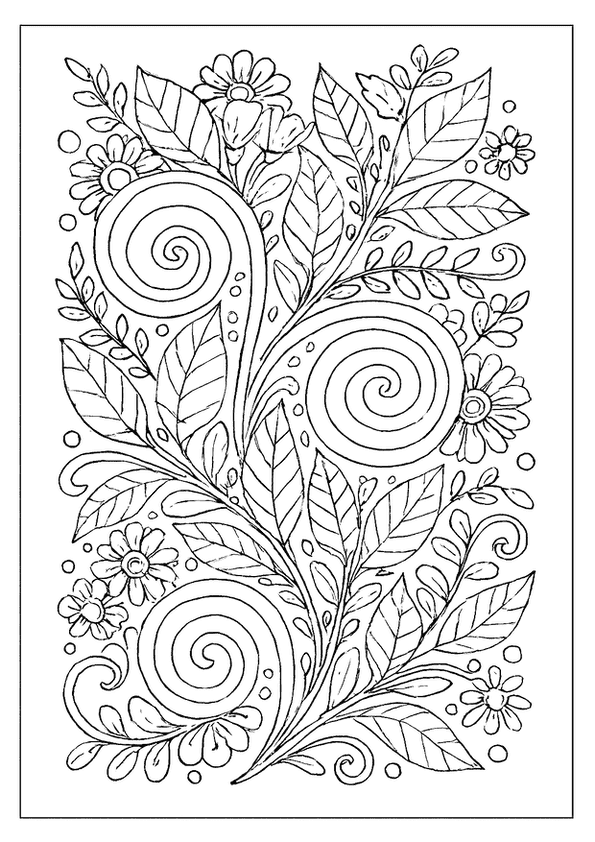
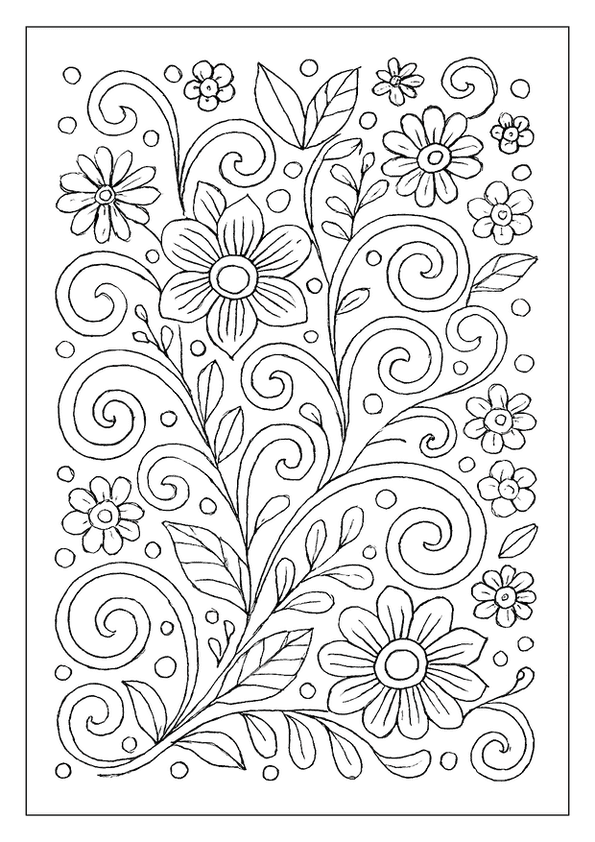
Grab your favorite colors and settle in with these geometric pattern coloring pages. There are plenty of different designs to choose from, including quilt-style patterns, brick shapes, hearts, repeating lines, and other fun geometric designs.
Some pictures are simple enough for a quick coloring break, while others have lots of little spaces to keep you busy for a while. Try different color combinations, mix light and dark shades, or just color them however you like.
The pages are also available as printable PDFs. Click on any design to open it, then download or print the page you want. They are sized for US Letter paper and can also be printed on A4.
These pages are designed for easy printing at home or in a classroom, with clear outlines that work nicely with crayons, colored pencils, gel pens, and fine-tip markers. A free Pattern coloring pages collection can include simple repeated shapes for younger children as well as detailed designs that give older kids and adults more room to experiment with shading, blending, borders, and alternating color schemes.
Creative Ideas for Pattern Coloring Pages
A good pattern page can become much more than a basic coloring exercise when you change how you approach its shapes, spacing, and color choices. These ideas focus on different visual effects, age levels, and creative techniques so every page can feel like a new little project.
Build a Bold Geometric Color Rhythm
Geometric patterns are especially fun when you assign a small group of colors to repeating shapes. Try choosing three colors and rotating them through triangles, squares, diamonds, or curved sections so the design develops a steady visual rhythm.
For a stronger graphic look, place darker shades inside smaller shapes and reserve lighter tones for larger sections. This creates contrast without requiring complicated shading, and it can make repeated forms stand out clearly across the entire page.
A Pattern coloring sheet with strong symmetry works nicely for this approach because you can test the same color sequence in several sections. If one combination feels too busy, replace just one color instead of changing the whole palette.
Create Soft Floral Repeating Designs
Floral patterns lend themselves to gentle color combinations, especially when petals repeat around a page. Soft pinks, lavender, peach, pale yellow, and light green can create a calm appearance, while stronger reds and purples give the flowers a richer feel.
Try coloring every third flower with the same shade, then use nearby colors for the flowers between them. The repeated spacing gives the page a connected look, while small changes in petal colors keep individual flowers from blending together.
With easy Pattern coloring pages, you can also practice simple pencil shading around petal edges. Start lightly near the center, press a little harder toward the outer edge, and leave tiny areas untouched so the petals retain a sense of light.
Give Animal Patterns Natural Tones
Animal patterns can be surprisingly playful because repeated paw prints, stripes, spots, feathers, or scales do not need to follow realistic colors. You might use browns and tans for a woodland feel, or bright colors for a more cheerful fantasy style.
A useful trick is to choose one dominant shade and repeat it throughout the design, then add one contrasting color for smaller details. This keeps the page connected without making every shape look exactly alike.
Pattern coloring pages for kids can work particularly well here because children can experiment freely with animal-inspired colors. Let a tiger have purple stripes or a turtle have turquoise markings, then add simple outlines with a darker pencil for extra definition.
Turn Hearts Into Color Sequences
Heart patterns are naturally suited to repeating color sequences because each shape has a clear boundary. Pick four colors and repeat them in the same order across the page, or alternate warm and cool shades to create a stronger visual beat.
For a softer result, use several shades from the same color family rather than choosing unrelated colors. Light pink, rose, coral, and burgundy can create depth while keeping the hearts visually connected.
Free Pattern coloring pages with heart designs can also become quick seasonal craft projects. Add metallic gel pen accents, tiny white highlights, or a darker outline around selected hearts to give the repeated shapes more personality.
Explore Symmetrical Mandala Arrangements
Mandala patterns are built around repeated sections, making them useful for practicing color planning before you begin. Choose a palette first, then decide how many colors you want to rotate through the outer and inner rings.
Start with the center and work outward if you enjoy seeing the design gradually develop. Another approach is to color one section completely, then repeat the same choices around the circle for a balanced result.
Printable Pattern coloring pages can make this kind of project convenient because you can print several copies and test different palettes on each version. One page might use earthy tones, while another could use bright jewel-like colors for a completely different mood.
Design a Nature Inspired Palette
Nature patterns give you an easy reason to reach for greens, browns, blues, yellows, and muted reds. Leaves, vines, flowers, stones, clouds, and other repeated natural shapes can create a grounded look when their colors stay within a related palette.
You do not need to make every leaf green. Mixing olive, sage, forest green, and yellow-green can make repeated leaves easier to distinguish, especially when neighboring shapes share similar outlines.
Preschool Pattern coloring pages can also introduce young children to simple nature themes through large leaves, flowers, and repeating shapes. Thick crayons work well for these pages because young artists can fill broad spaces without needing precise pencil control.
Mix Abstract Shapes With Unexpected Colors
Abstract patterns are where I like to ignore realistic color rules and test combinations that might seem unusual at first. Orange beside purple, bright blue beside yellow, or several shades of pink can create lively contrast across repeated forms.
Keep an eye on neighboring shapes as you work, since two similar shades placed side by side may visually merge. Saving your darkest colors for smaller areas can help maintain clear separation without outlining every shape.
A Pattern coloring sheet with abstract forms also makes a useful practice surface for blending. Try placing two colored-pencil shades beside each other, then use light circular strokes to soften the boundary between them.
Make a Calm Pattern With Neutrals
Neutral palettes can make repetitive designs feel surprisingly sophisticated without relying on bright colors. Cream, beige, warm gray, soft brown, charcoal, and muted green can create gentle contrast while allowing the shapes themselves to remain the focus.
Use the lightest shade for large open areas and reserve darker tones for borders, small shapes, or central details. This simple shift in value can create depth even when the palette contains only a handful of colors.
Pattern pdf coloring pages are handy for experimenting with several neutral combinations because you can print the same design more than once. Try one version with warm neutrals and another with cooler grays, then compare how the overall mood changes.