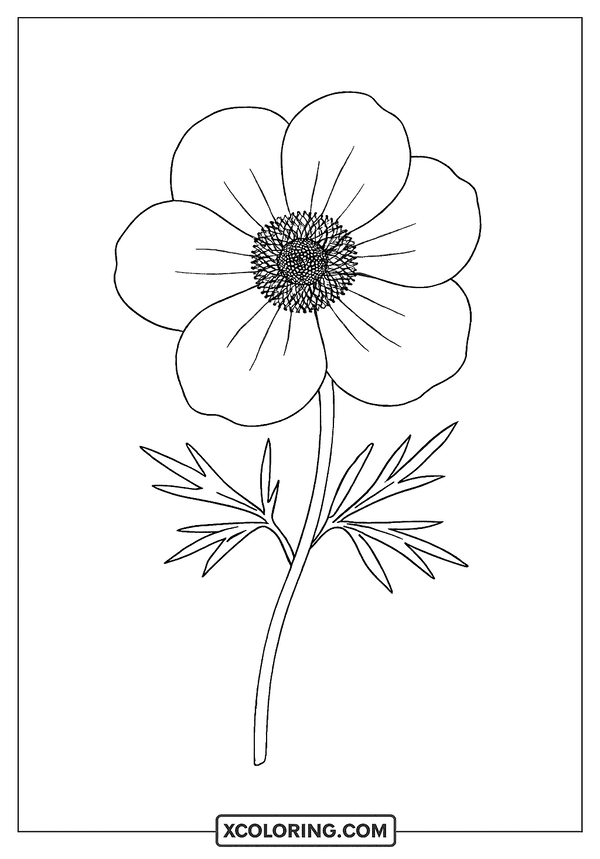
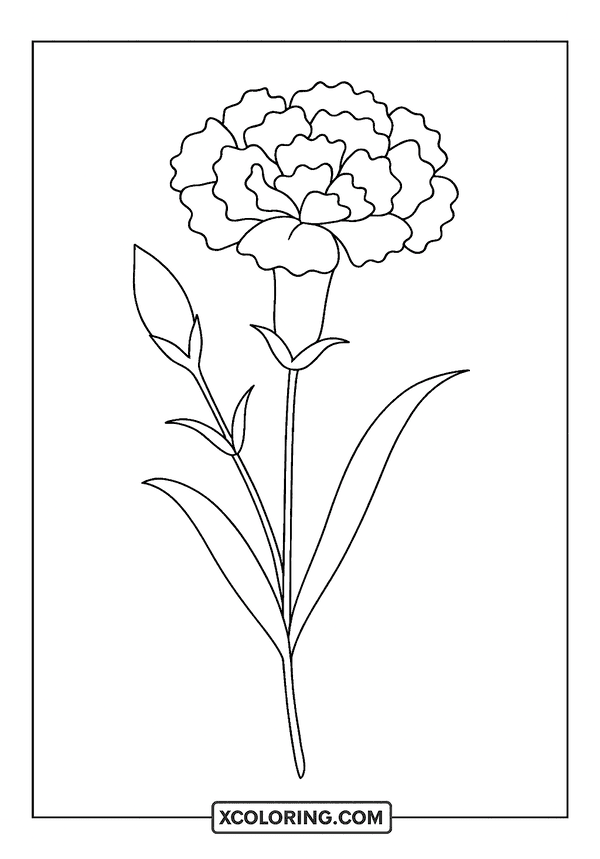
Flower themed coloring projects bring a calm creative rhythm to the table while giving colorists plenty of room to experiment with shades, textures, and personal artistic choices. Many people enjoy flower coloring pages because they can be simple enough for beginners while still leaving space for detailed work and expressive color combinations.
A single bloom can inspire dozens of different color palettes. A rose can look rich with layered reds, while a sunflower shines with warm golden tones and earthy brown centers. Small changes in pencil pressure can completely change the mood of a page and make every design feel personal.
The variety found in nature keeps these illustrations interesting. A tulip, lily, daisy, orchid, and hibiscus each have distinct shapes that encourage different coloring techniques. Some pages suit soft pastel blends, while others invite bold contrasts that make petals stand out against the background.
These printable collections include a wide range of floral designs suited to different skill levels and artistic preferences. Some pages focus on large petals and open spaces, while others include intricate details that reward patience and careful shading. Many readers enjoy using printable flower coloring pages for quiet creative sessions, classroom activities, or personal art practice throughout the week.
Creative Ideas for Flower Coloring Pages
Floral illustrations can become much more than simple coloring activities. By experimenting with backgrounds, color palettes, artistic themes, and decorative displays, each page can become a unique project with its own personality. Many artists enjoy starting with flower coloring sheets and building creative concepts around them to keep every coloring session fresh and interesting.
Vintage Rose Garden Scene
A vintage rose garden theme works beautifully for anyone who enjoys classic artwork and soft color transitions. Focus on muted reds, dusty pinks, and gentle greens to create an aged appearance that feels warm and inviting.
Many artists begin with easy flower coloring pages and gradually add extra details using colored pencils. Light layering creates depth without making the artwork feel crowded or overly dark.
A lightly textured background can help the roses stand out while maintaining a traditional appearance. Small touches of cream, tan, or faded blue can create the feeling of an old botanical illustration displayed in a garden journal.
Bright Sunflower Farm Display
Sunflowers naturally attract attention because of their large petals and cheerful appearance. A farm inspired design allows broad areas of color and creates opportunities to experiment with light and shadow.
Many people print printable flower coloring pages on thicker paper so they can blend multiple yellow shades without damaging the surface. This approach creates richer petals and smoother transitions.
Adding a sky filled with soft clouds helps balance the composition and gives the flowers a sense of scale. Brown centers can include subtle highlights to suggest texture and make the artwork feel more dimensional.
Detailed Botanical Study
A botanical study focuses on observation and precision rather than bold decorative effects. Careful attention to petal edges and leaf veins can create artwork that resembles illustrations found in educational field guides.
Colorists who enjoy accuracy frequently choose realistic flower coloring pages because they provide opportunities to study natural color variation. Looking at reference photographs can help guide subtle shading decisions.
Using several green tones instead of a single shade makes stems and leaves appear more natural. Tiny highlights placed along curved surfaces can create convincing depth without requiring advanced techniques.
Elegant Lily Color Palette
Lilies have graceful shapes that pair beautifully with refined color schemes and gentle blending methods. Their broad petals provide enough space to practice smooth gradients and delicate highlights.
Many enthusiasts enjoy flower coloring pages for adults when working on lily designs because the larger compositions support detailed shading and careful pencil control. Slow layering usually produces cleaner results.
Soft lavender, pale peach, and creamy white combinations can give the artwork a sophisticated appearance. A restrained palette allows the flower structure itself to become the visual focus.
Wild Daisy Meadow Artwork
Daisies create a relaxed and cheerful atmosphere that feels perfect for nature inspired scenes. Their simple forms make them approachable while still leaving room for creative interpretation.
Artists searching for free flower coloring pages frequently select daisy themed illustrations because they are enjoyable to color and easy to personalize with different seasonal color schemes.
Adding grasses, small insects, or distant hills can turn a simple floral image into a complete meadow scene. These supporting elements help tell a visual story and add depth to the composition.
Orchid Jewel Tone Project
Orchids encourage bold experimentation because their natural colors can range from delicate pinks to rich purples. Their unusual petal structures make them visually interesting even before color is applied.
Many hobbyists save a flower coloring pages pdf collection so they can revisit favorite orchid designs and test different palettes on multiple copies. This method encourages creative exploration.
Deep violet shadows paired with brighter highlights can make the petals appear luminous. Careful blending around curved edges helps preserve the distinctive shape that makes orchids so recognizable.
Tropical Hibiscus Wall Art
Hibiscus flowers are known for dramatic petals and vibrant color combinations. Their energetic appearance makes them a strong choice for decorative artwork intended for display.
A collection of flower coloring sheets can be transformed into wall art by selecting complementary tropical colors and maintaining a consistent visual style throughout several pages.
Warm coral tones, bright reds, and vivid oranges create a lively atmosphere. Framing completed pages together can produce an attractive decorative arrangement for a craft room or reading corner.
Tulip Festival Color Collection
Tulips provide endless opportunities for creative color planning because they appear in such a wide range of natural shades. Grouping several tulips together creates a composition full of movement and variety.
Many colorists return to flower coloring pages repeatedly when working on tulip themed projects because each version can explore a completely different palette and seasonal mood.
Mixing reds, yellows, purples, and pinks within the same scene creates visual interest while preserving harmony. Gentle shadows beneath the blooms help establish form and make the arrangement feel grounded.