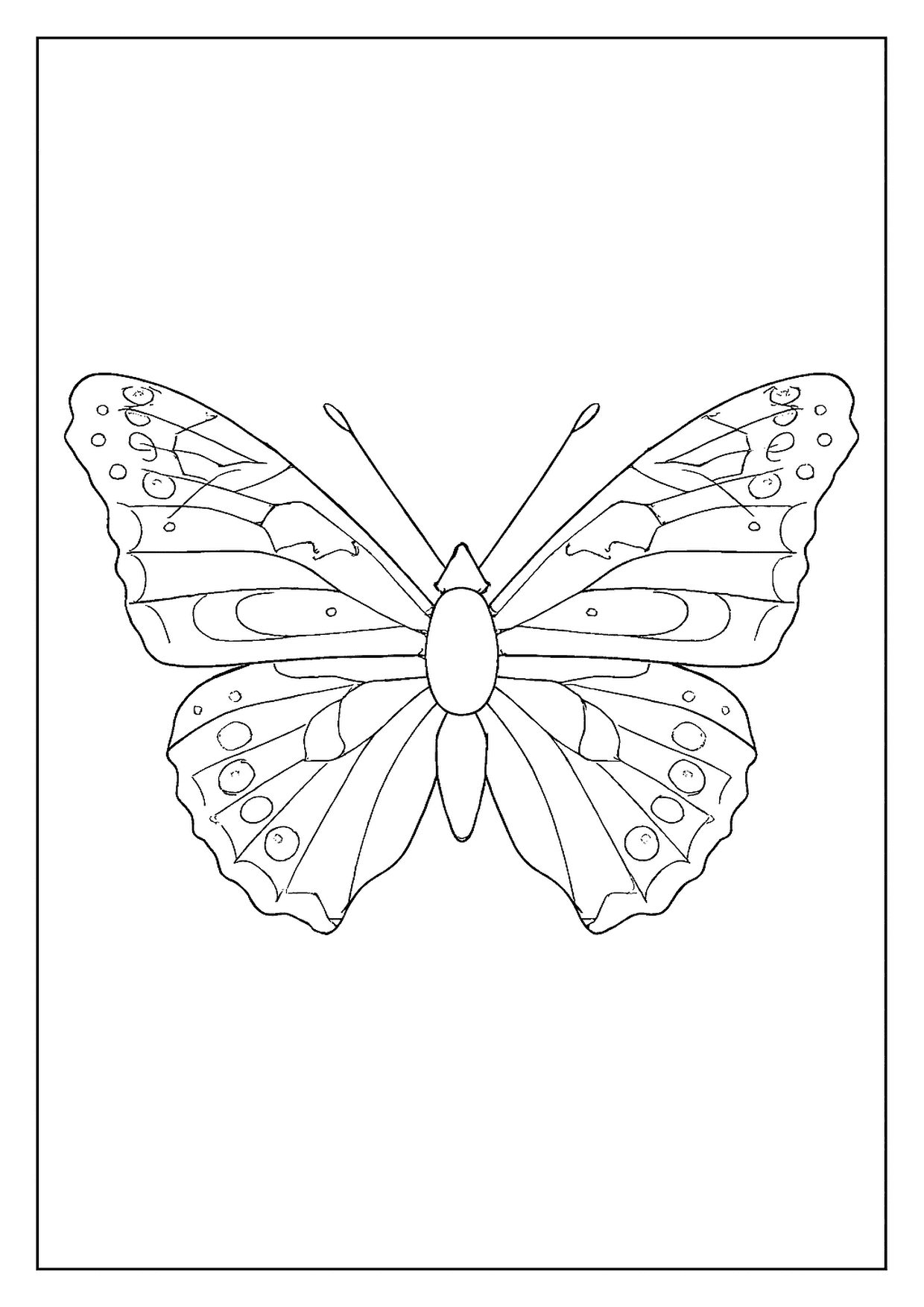
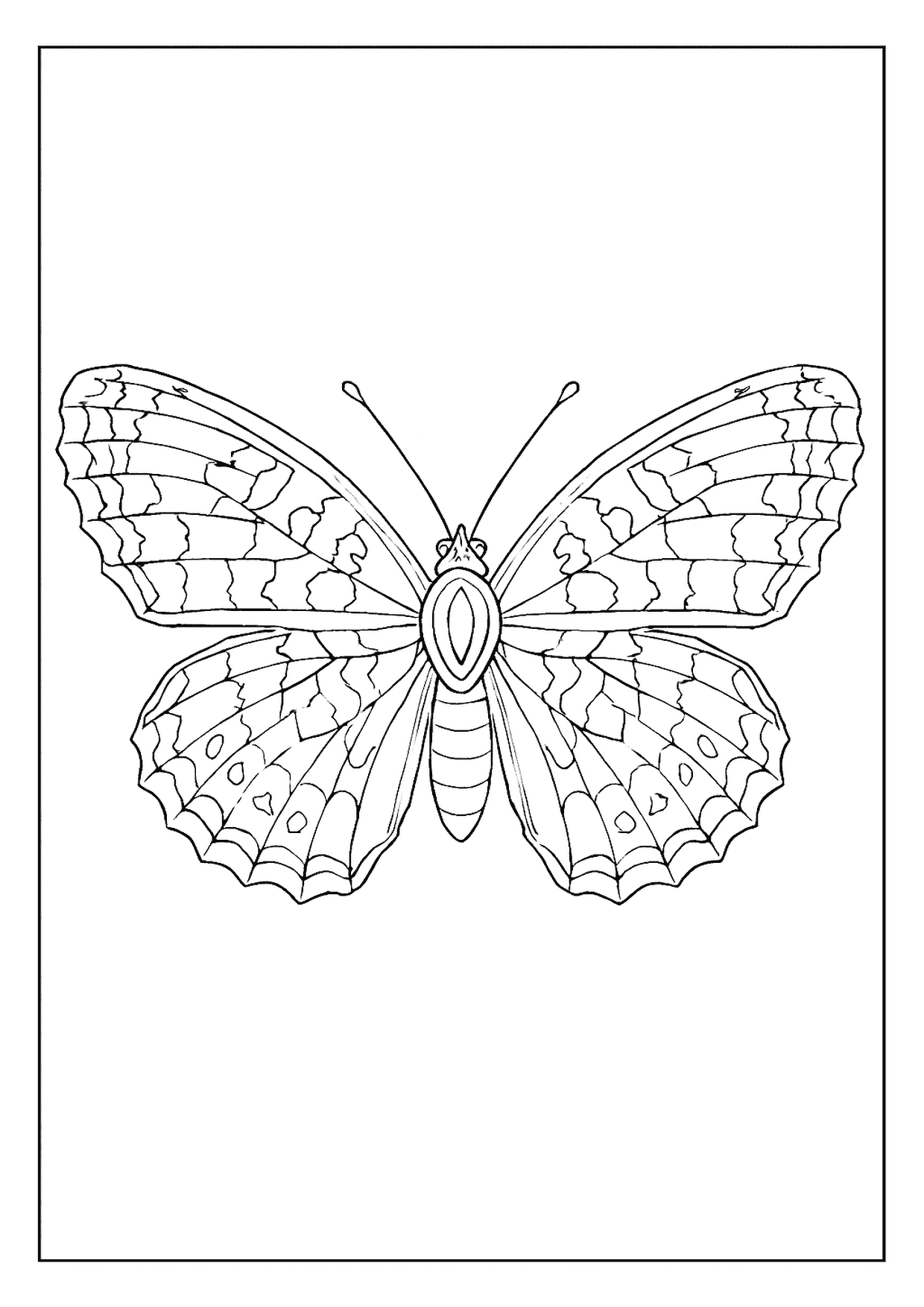
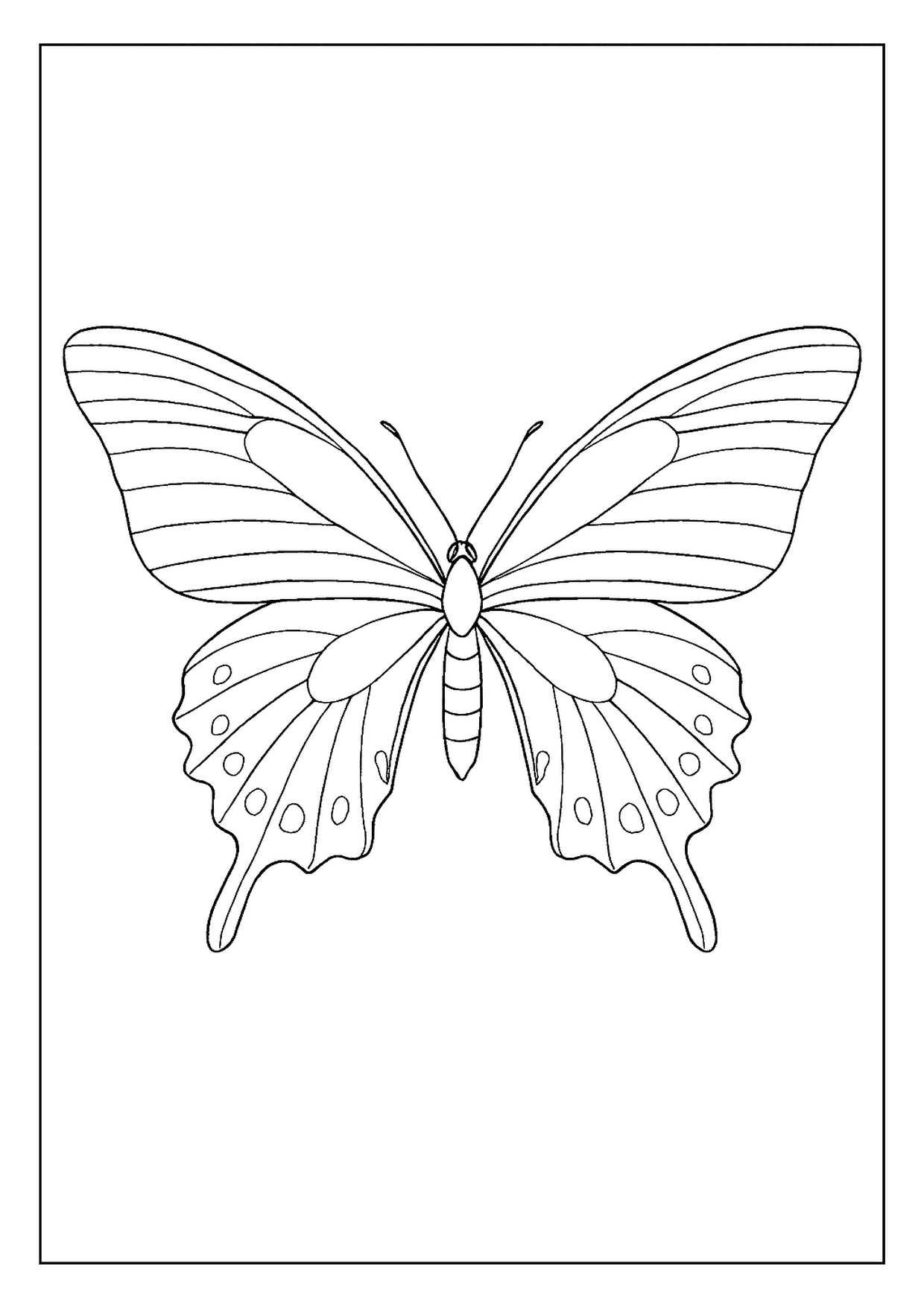
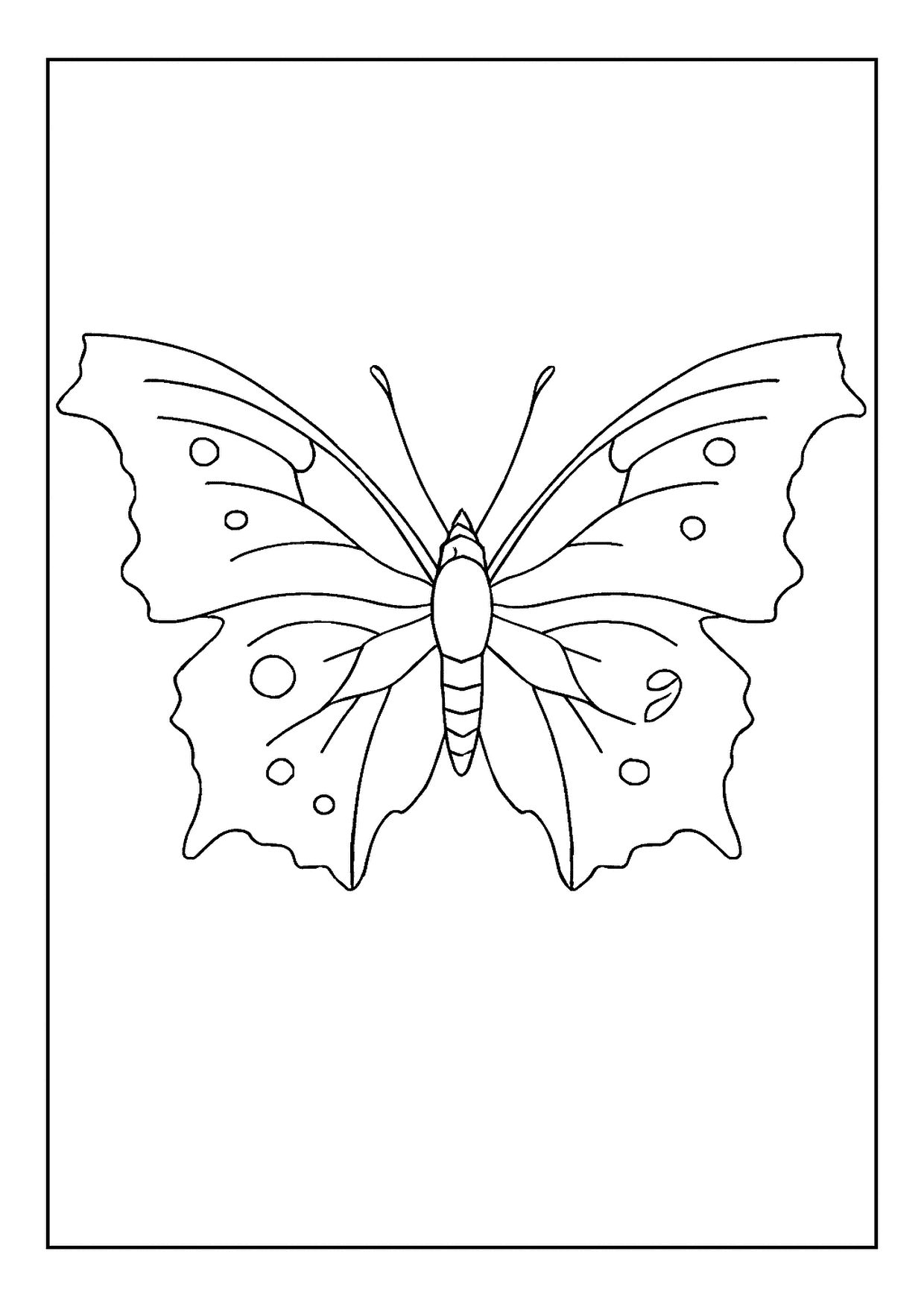
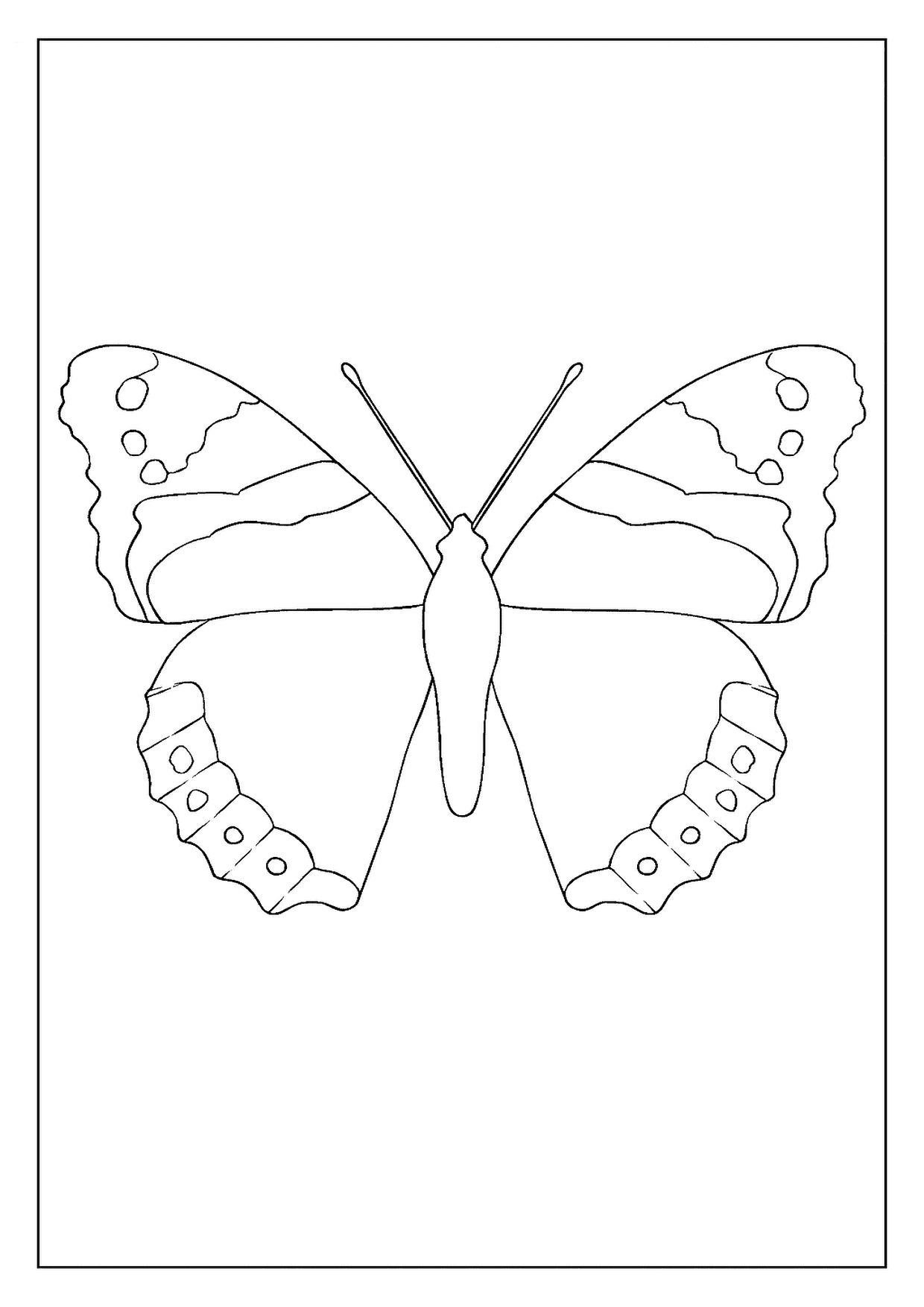
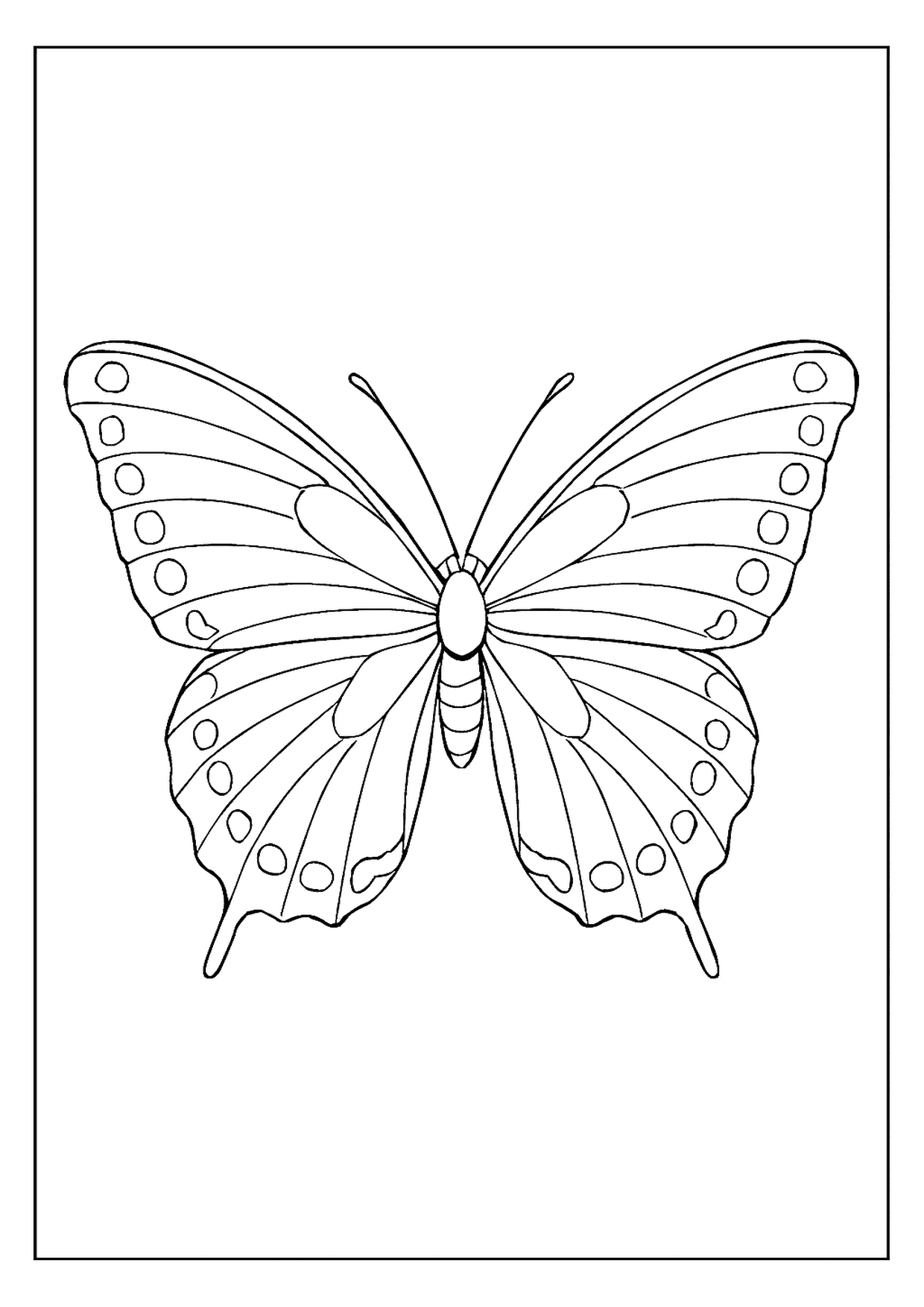
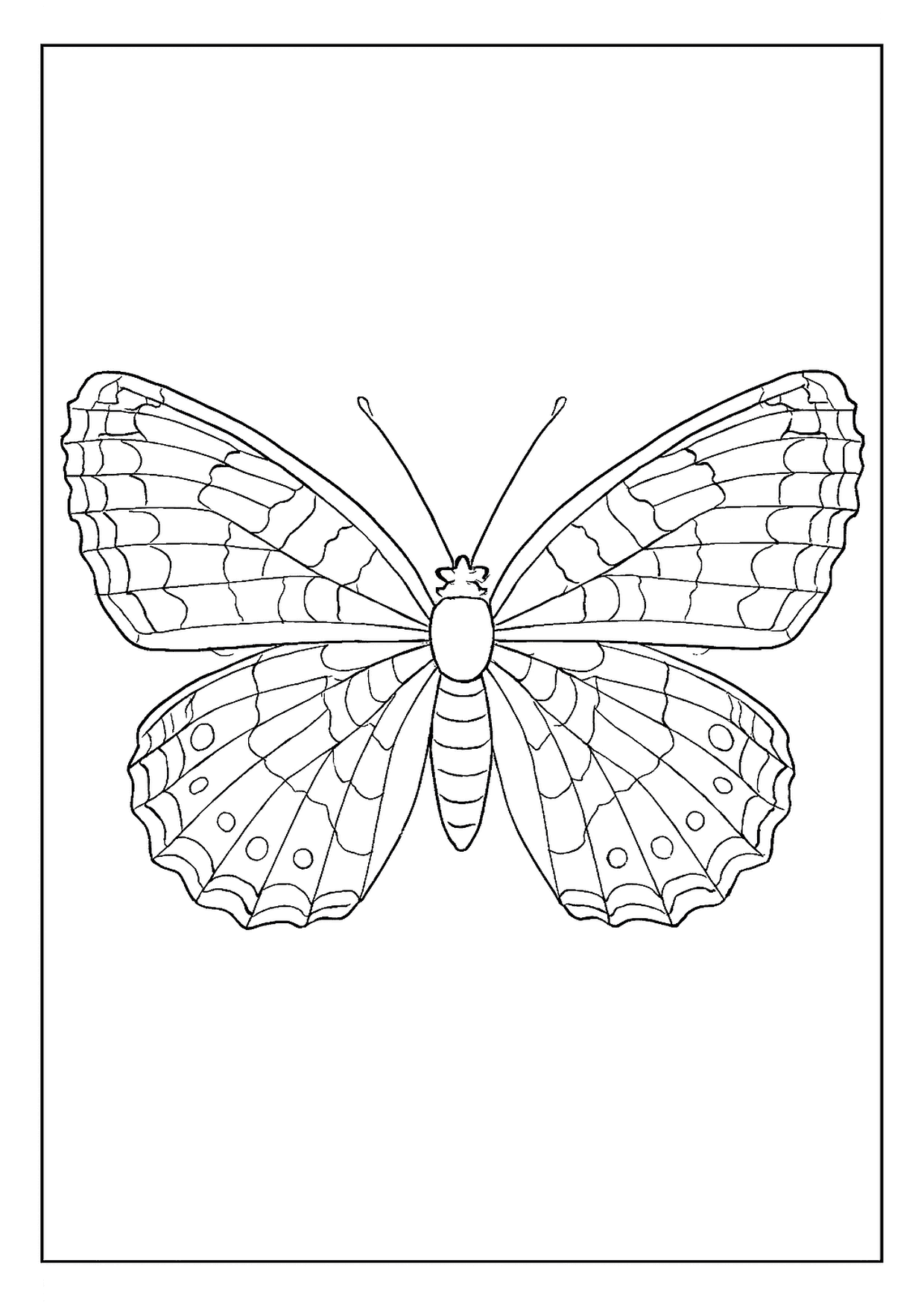
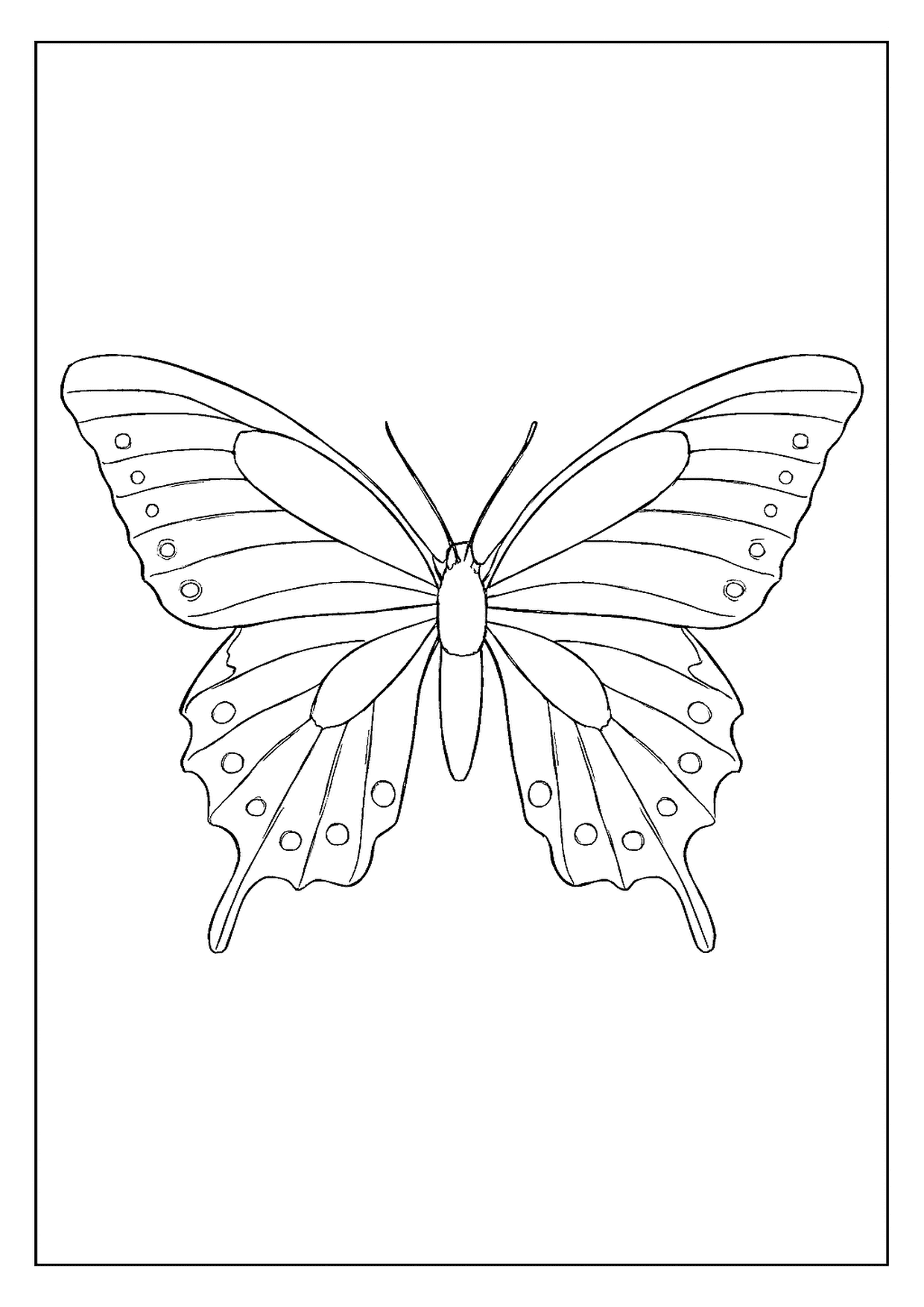
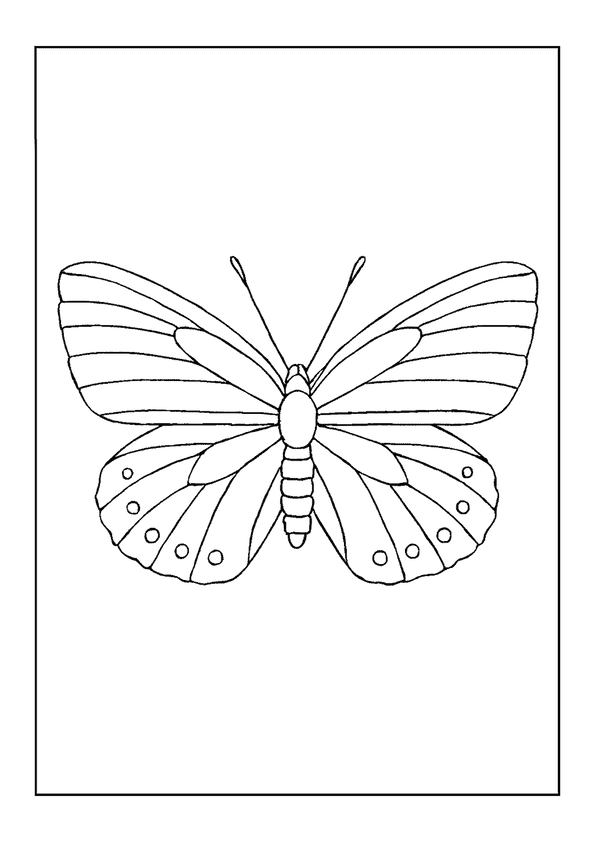
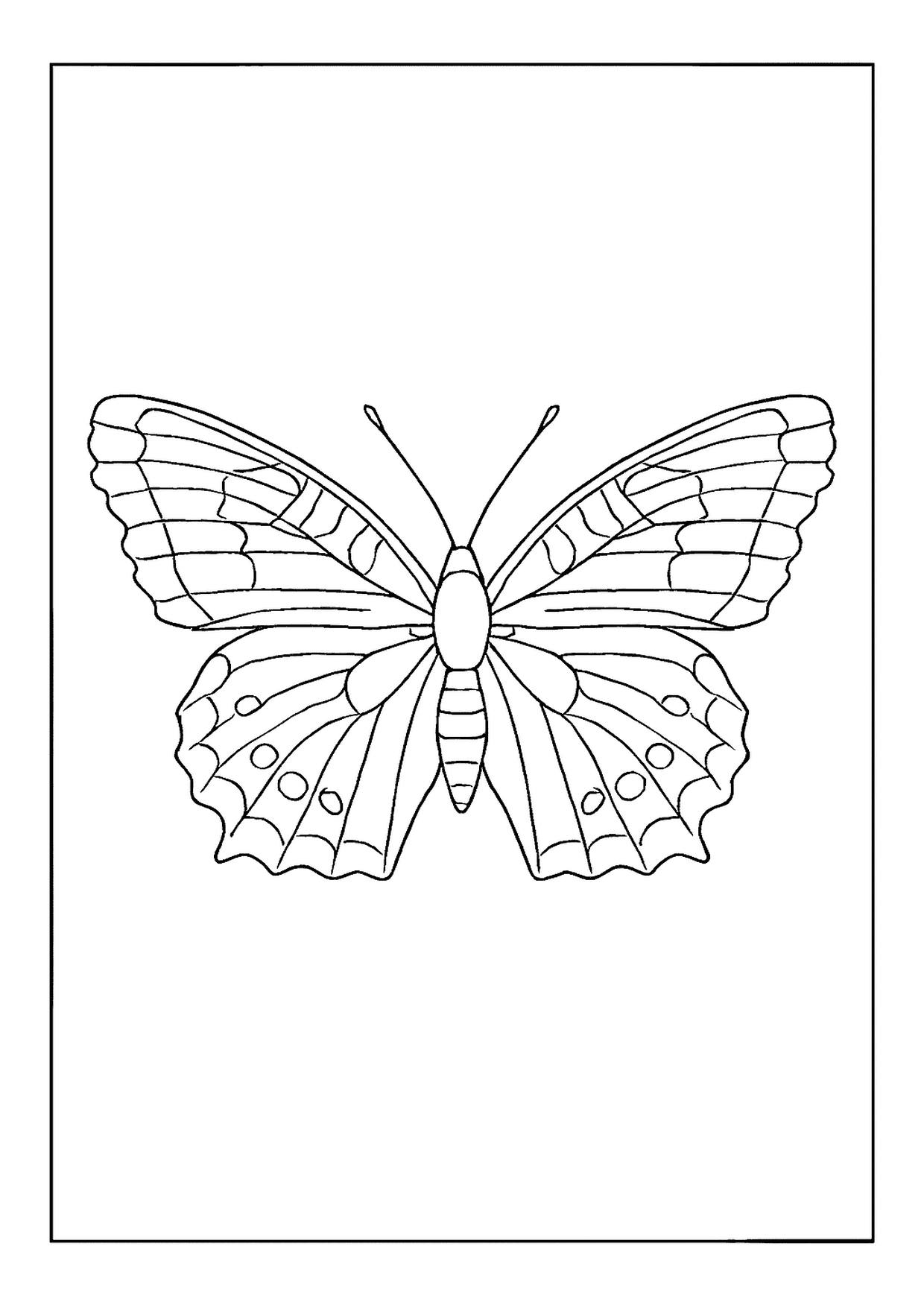
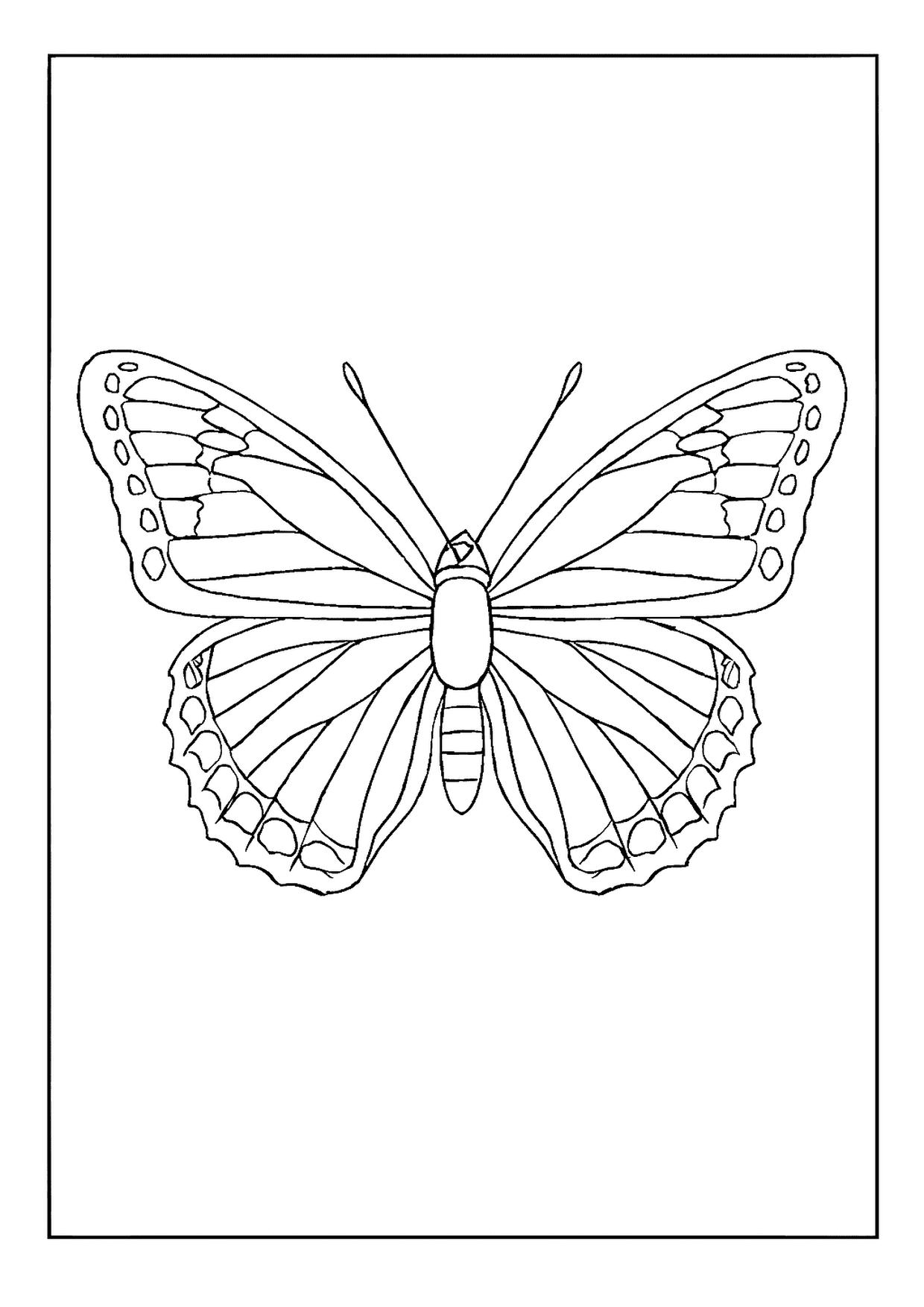
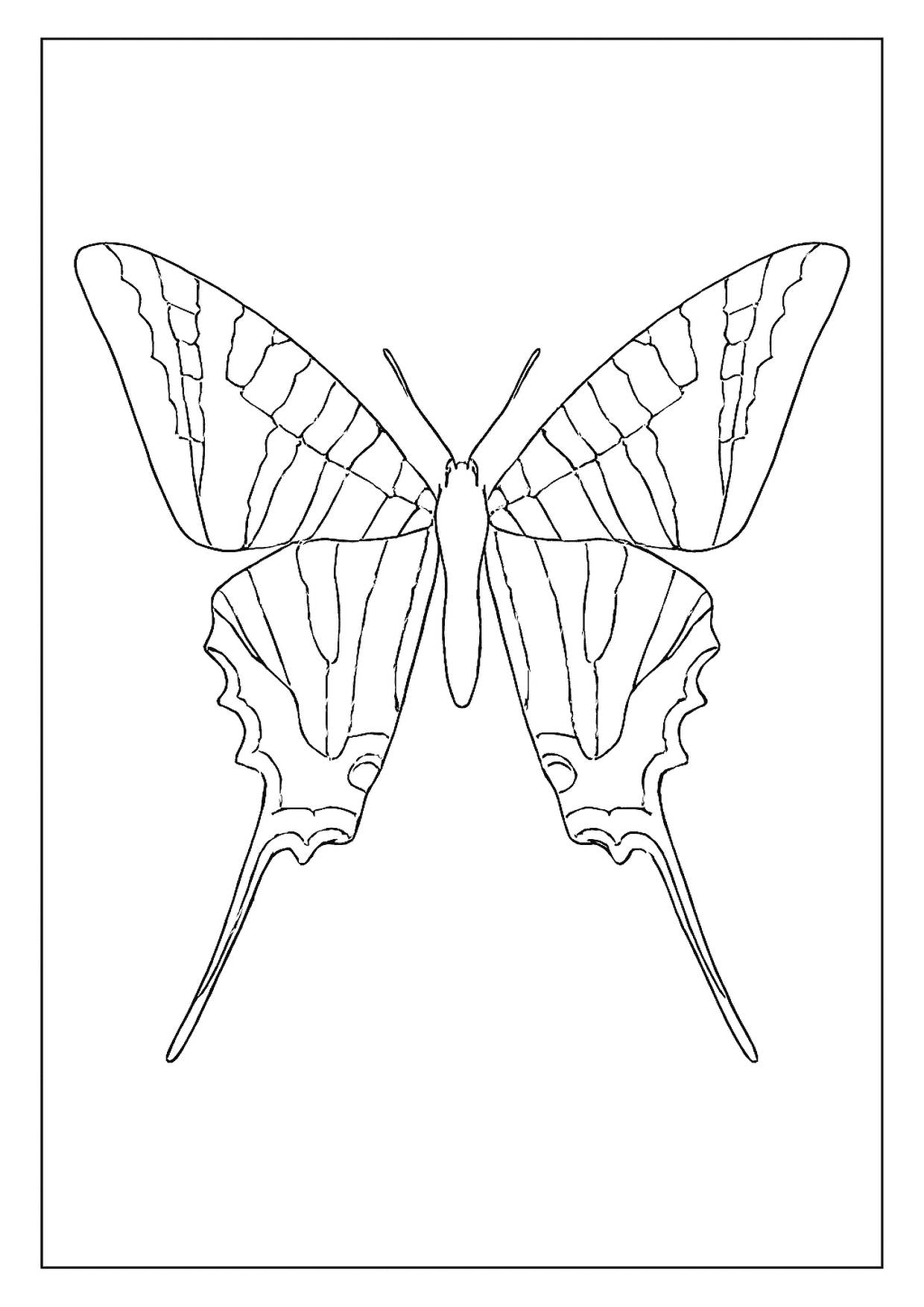
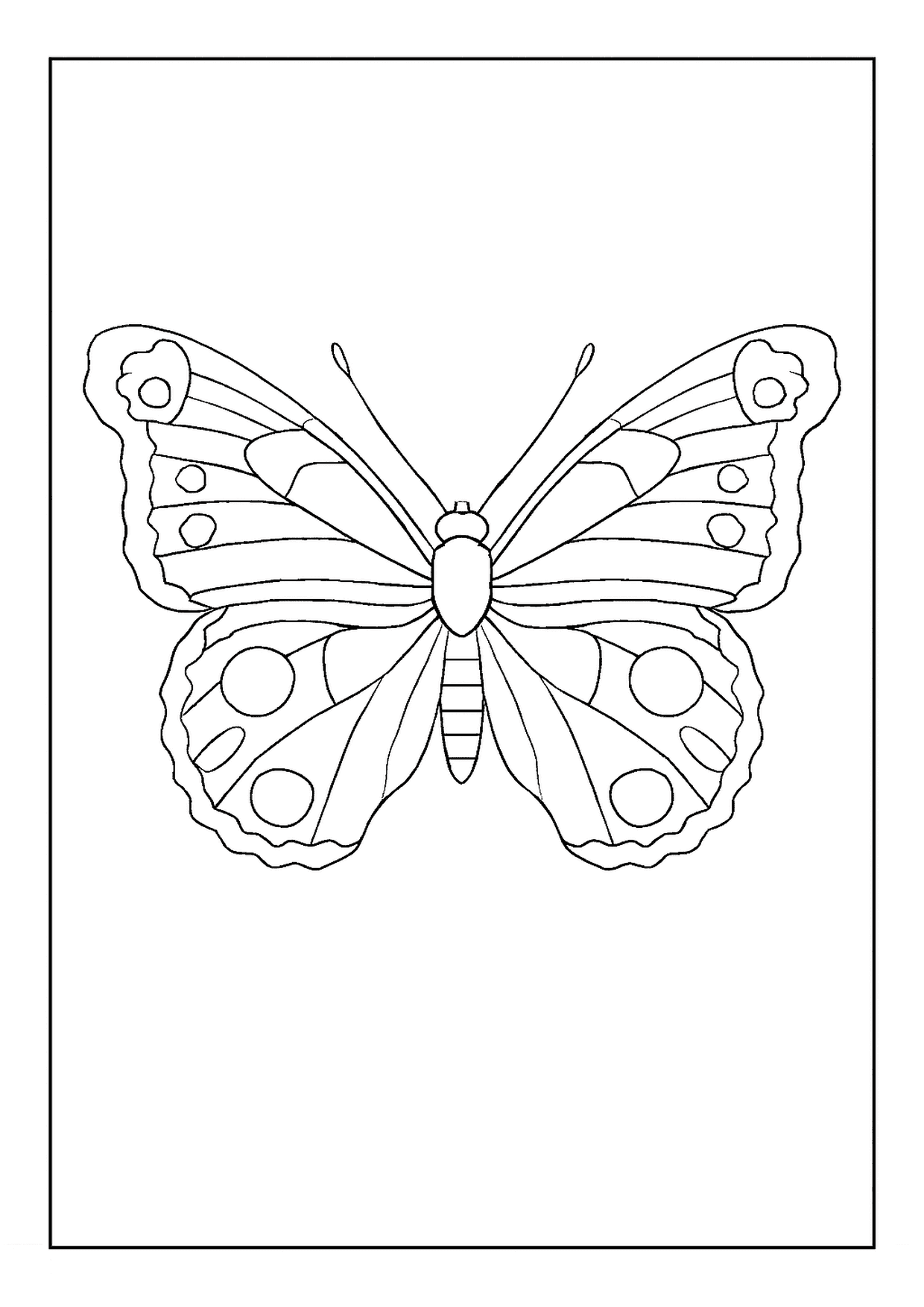
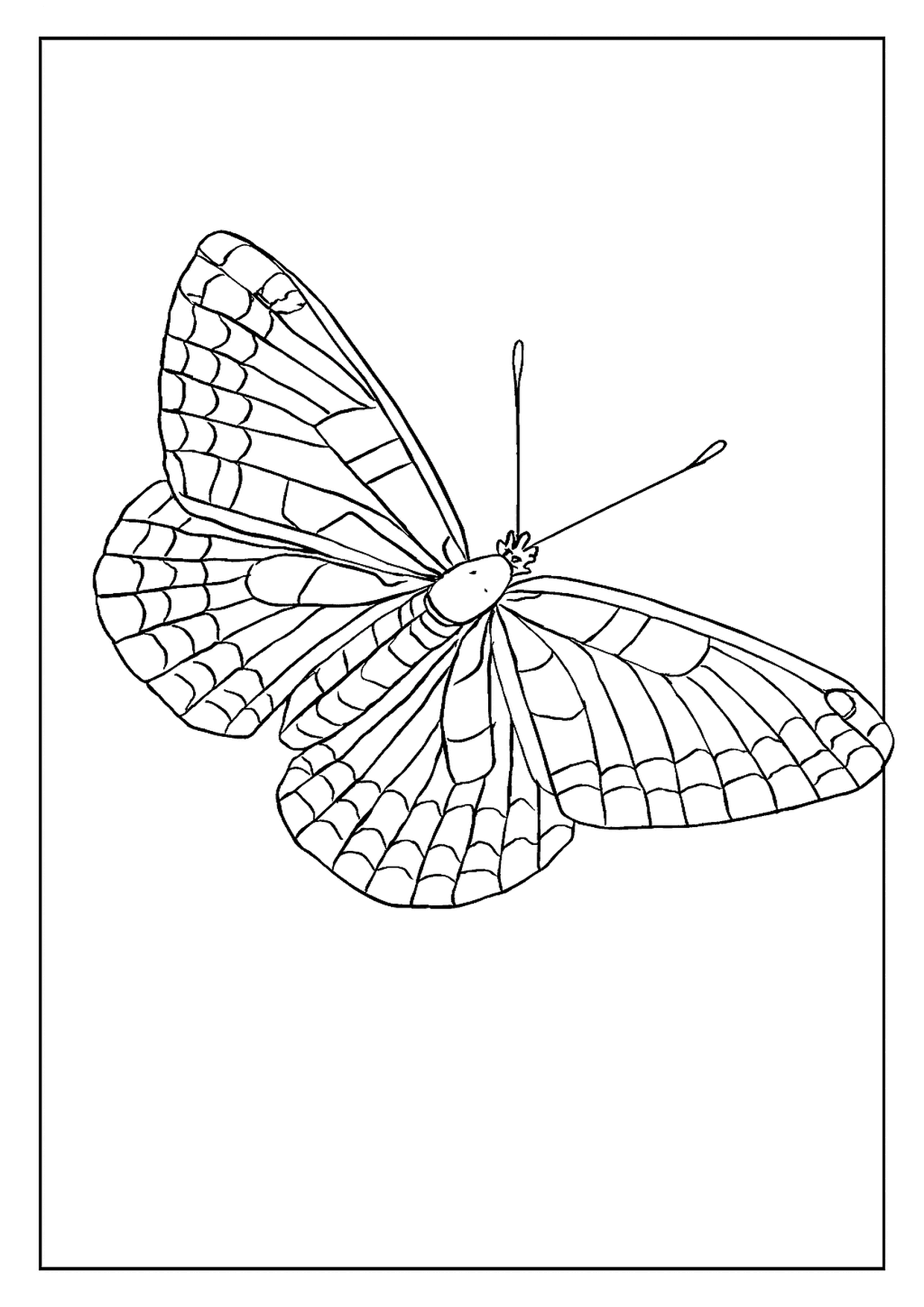
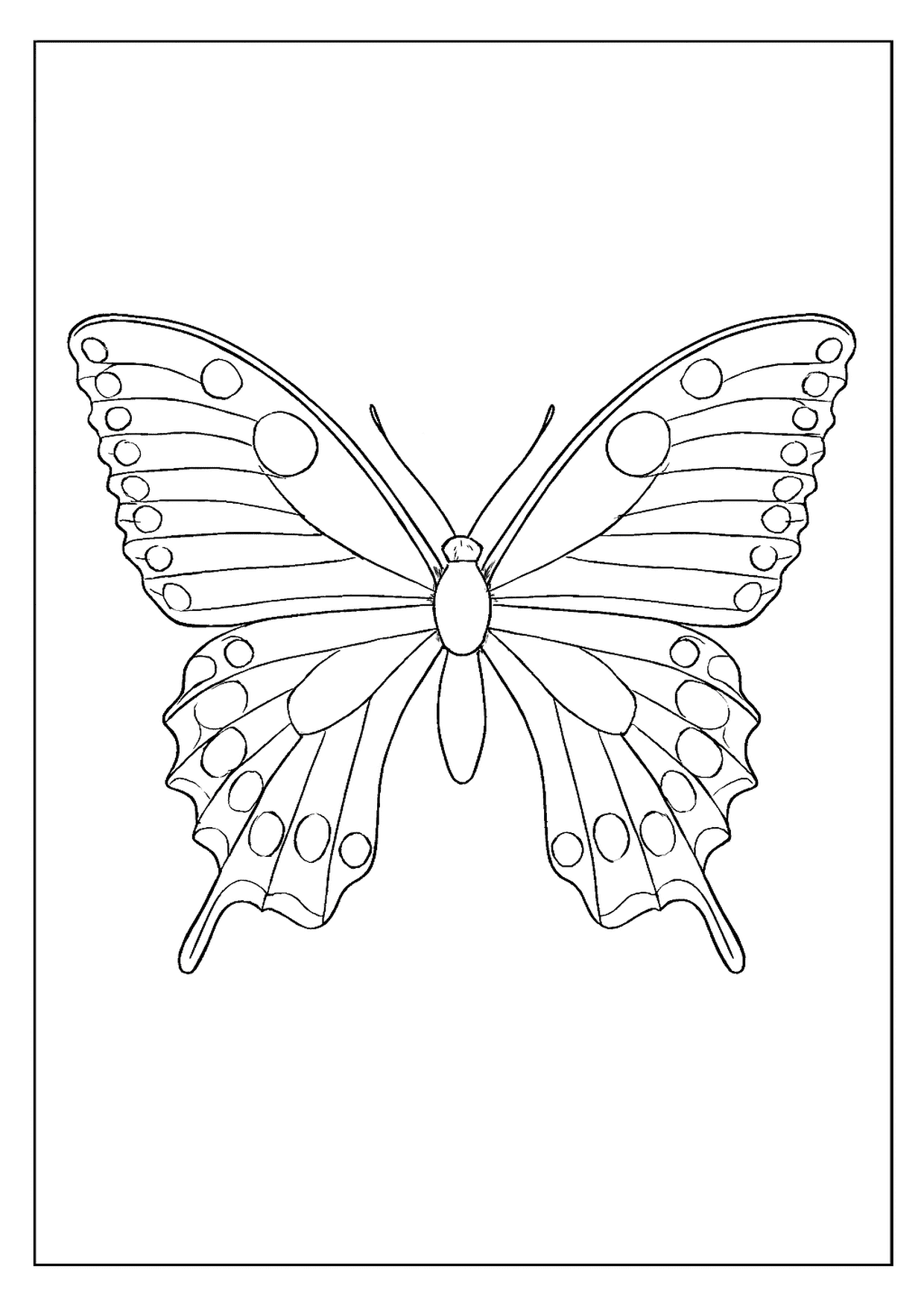
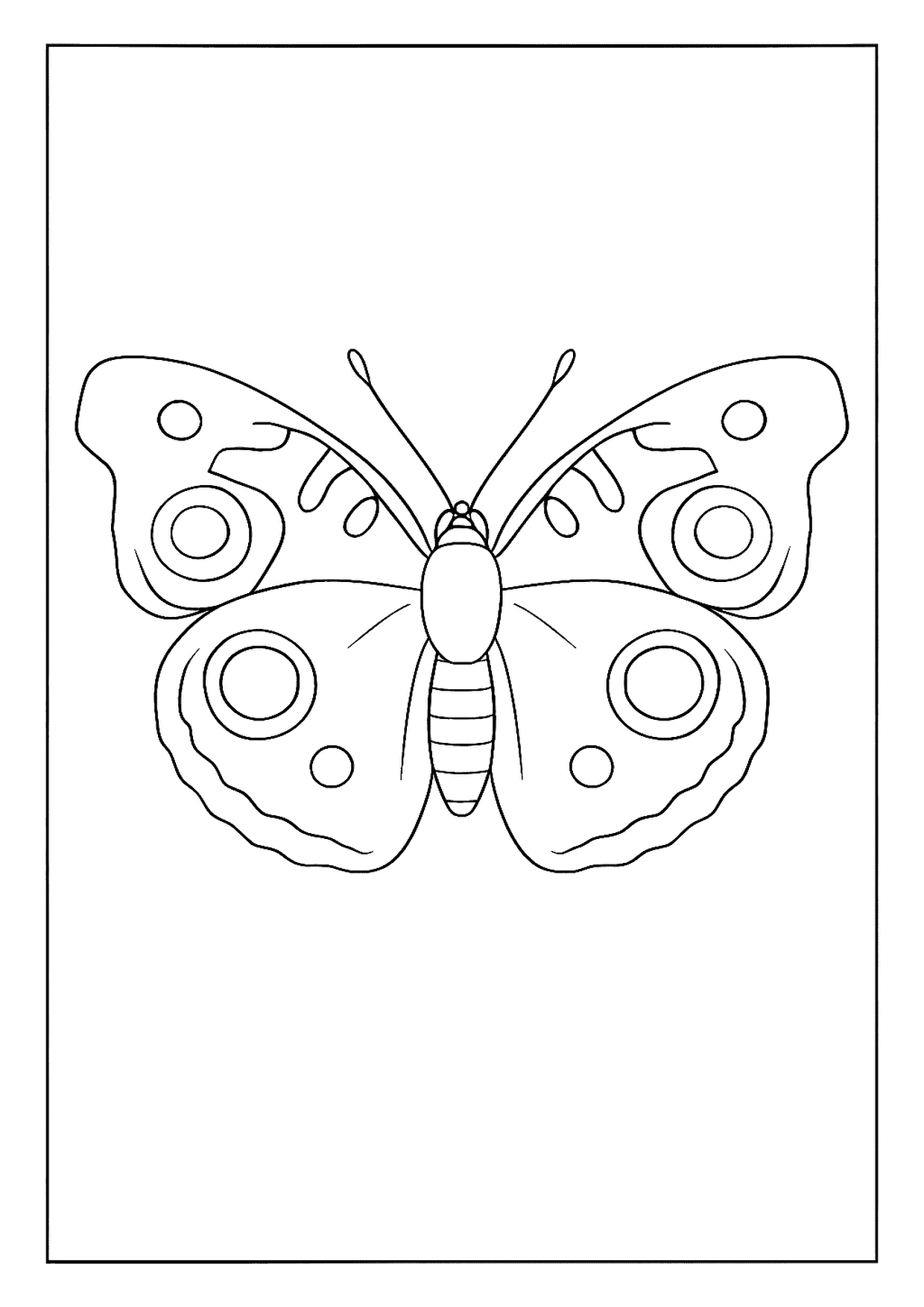
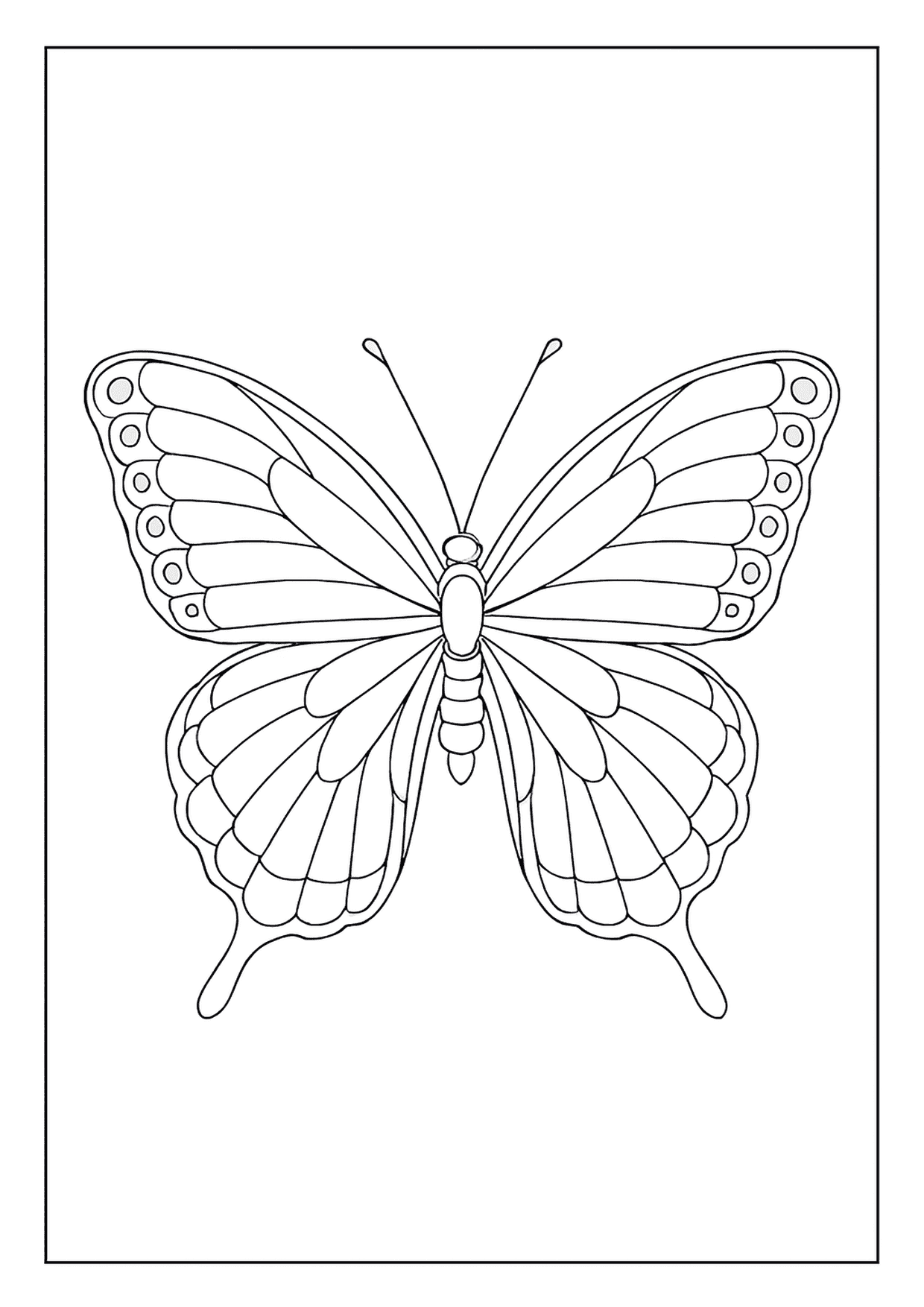
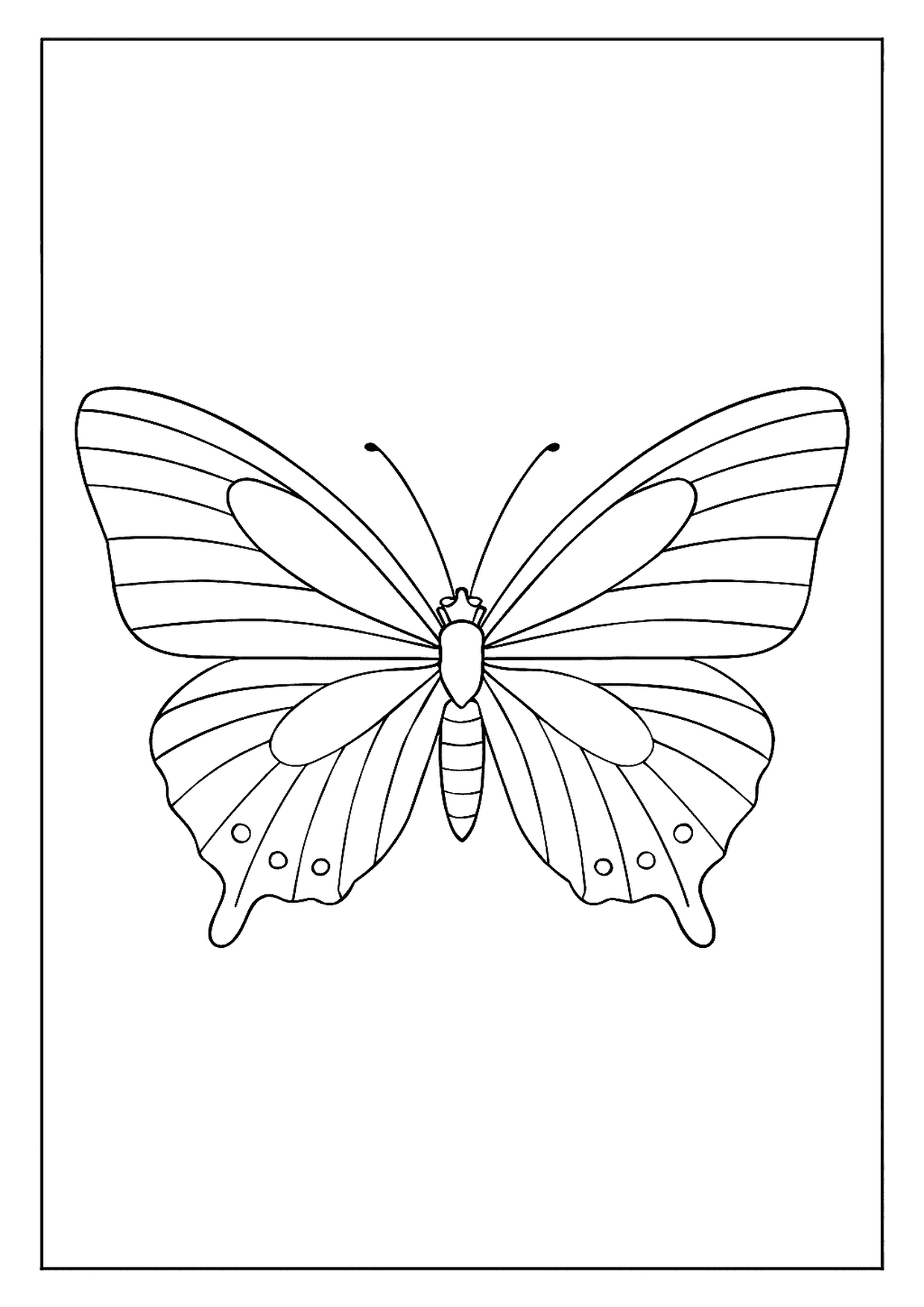
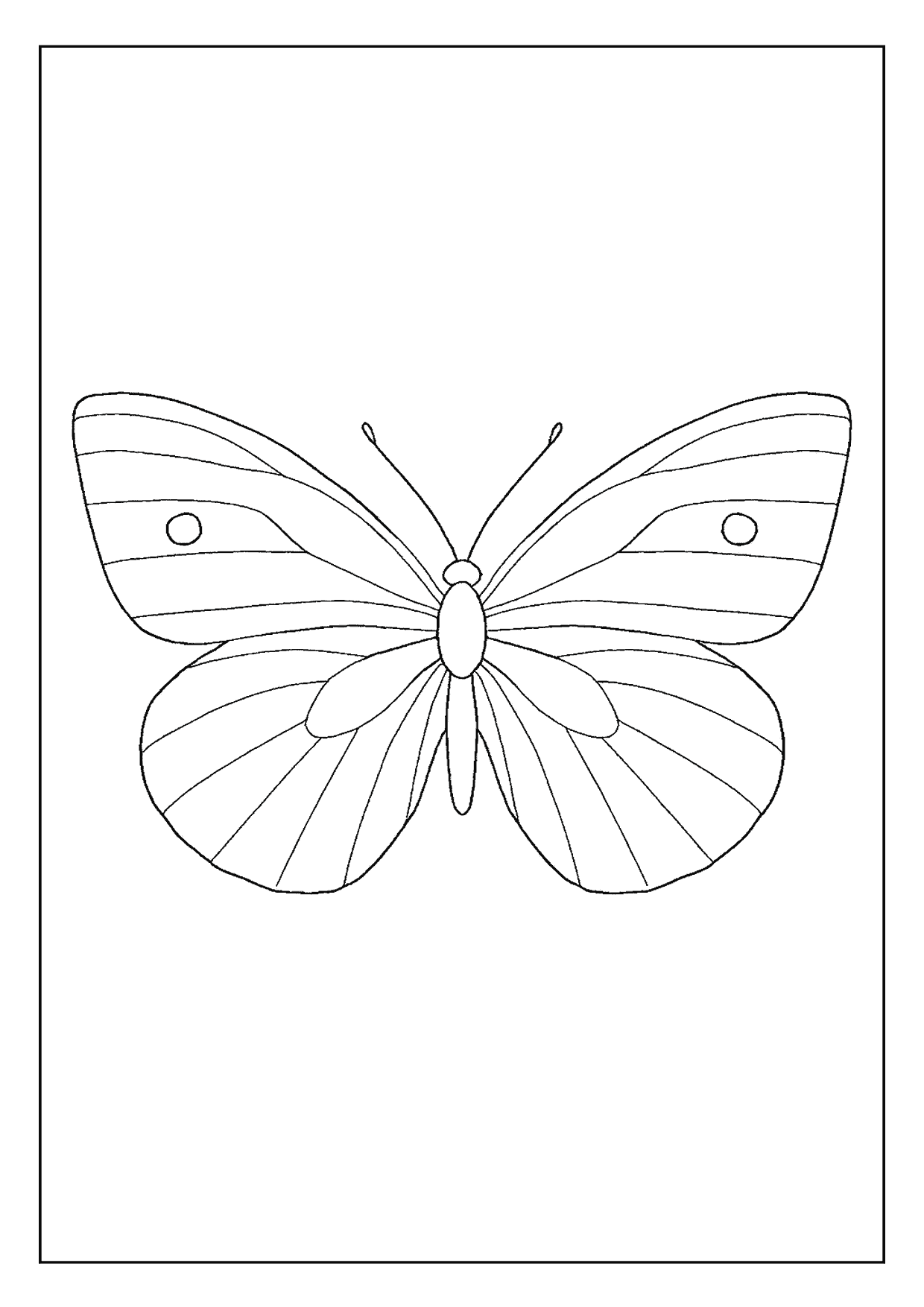
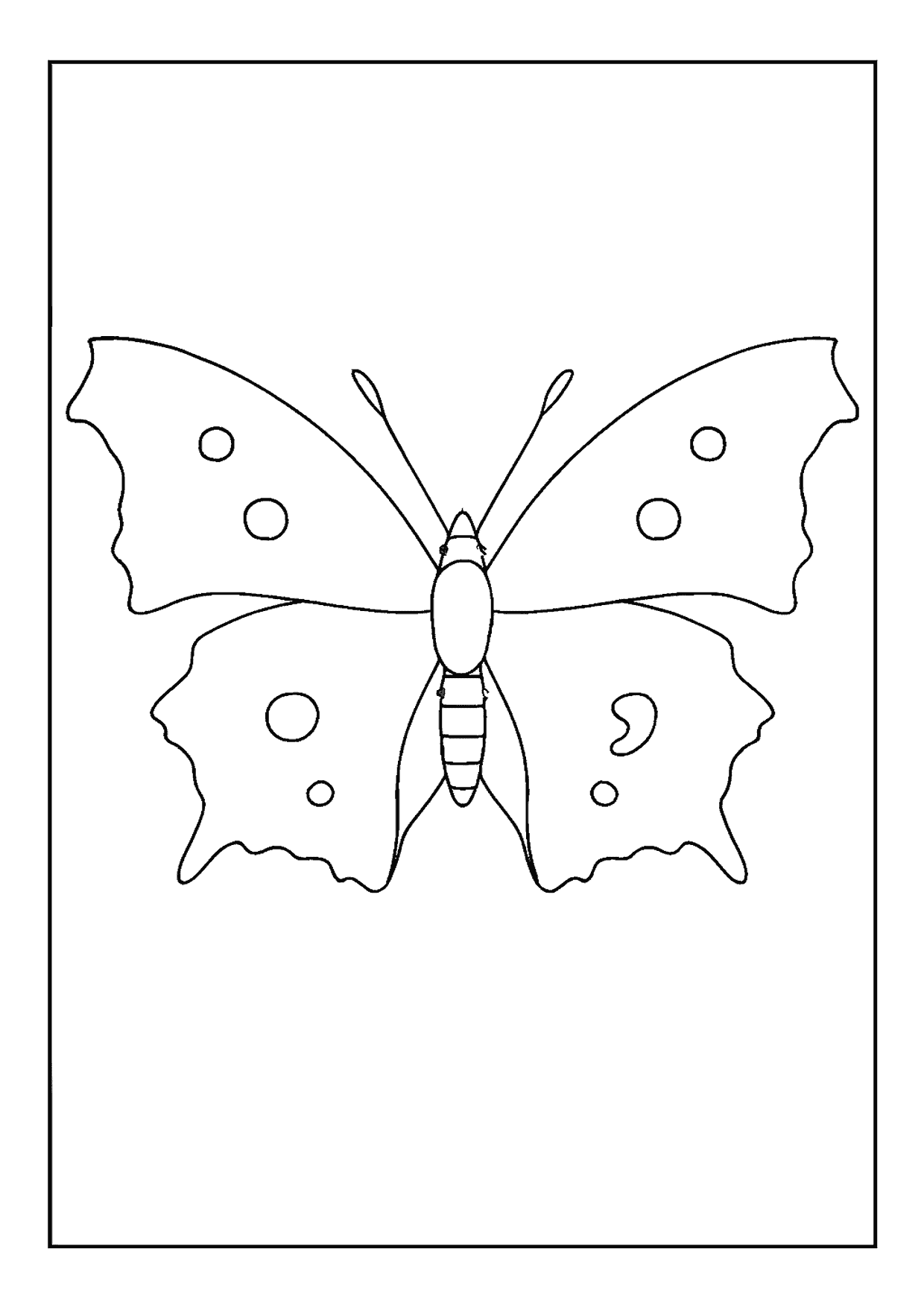
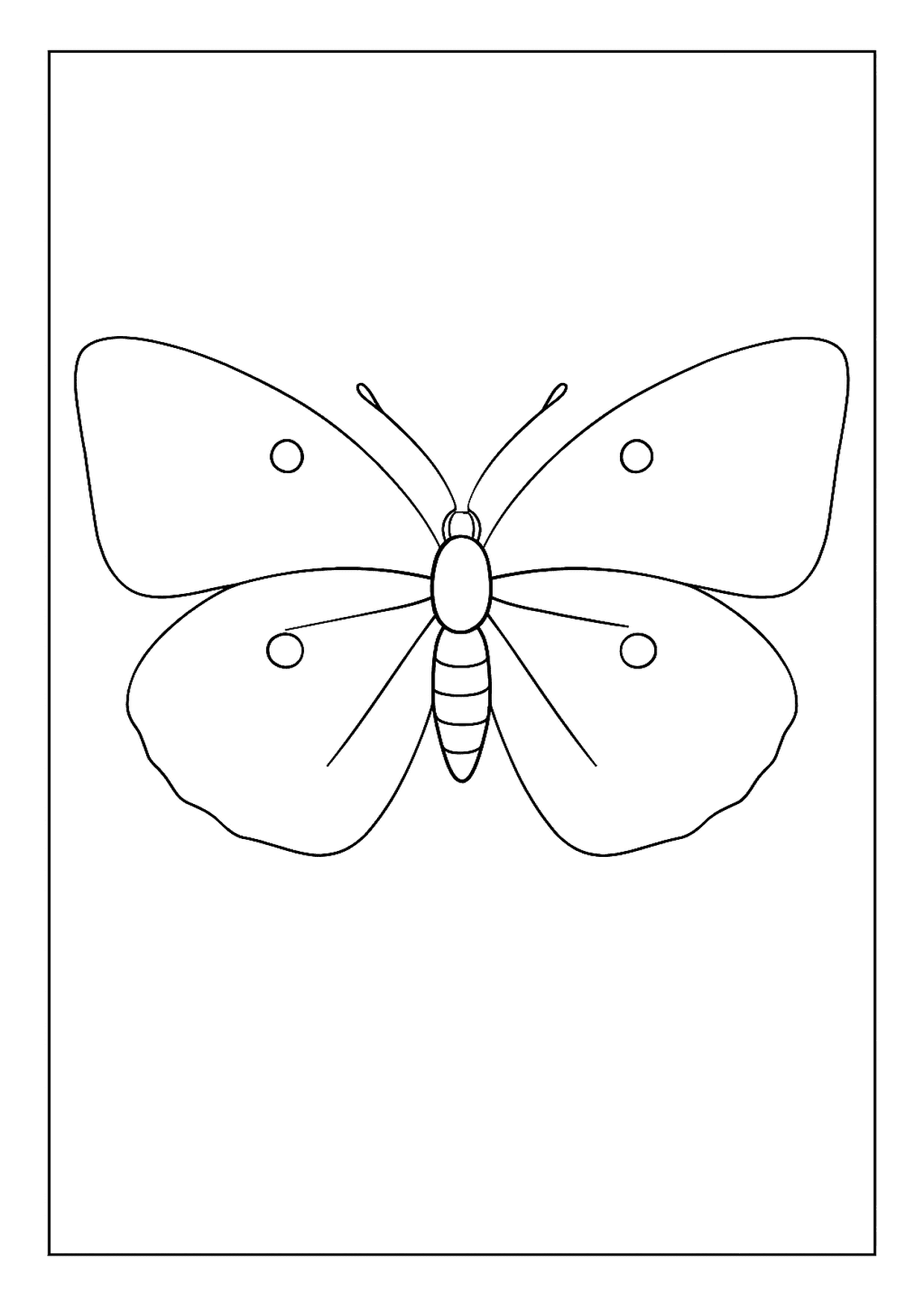
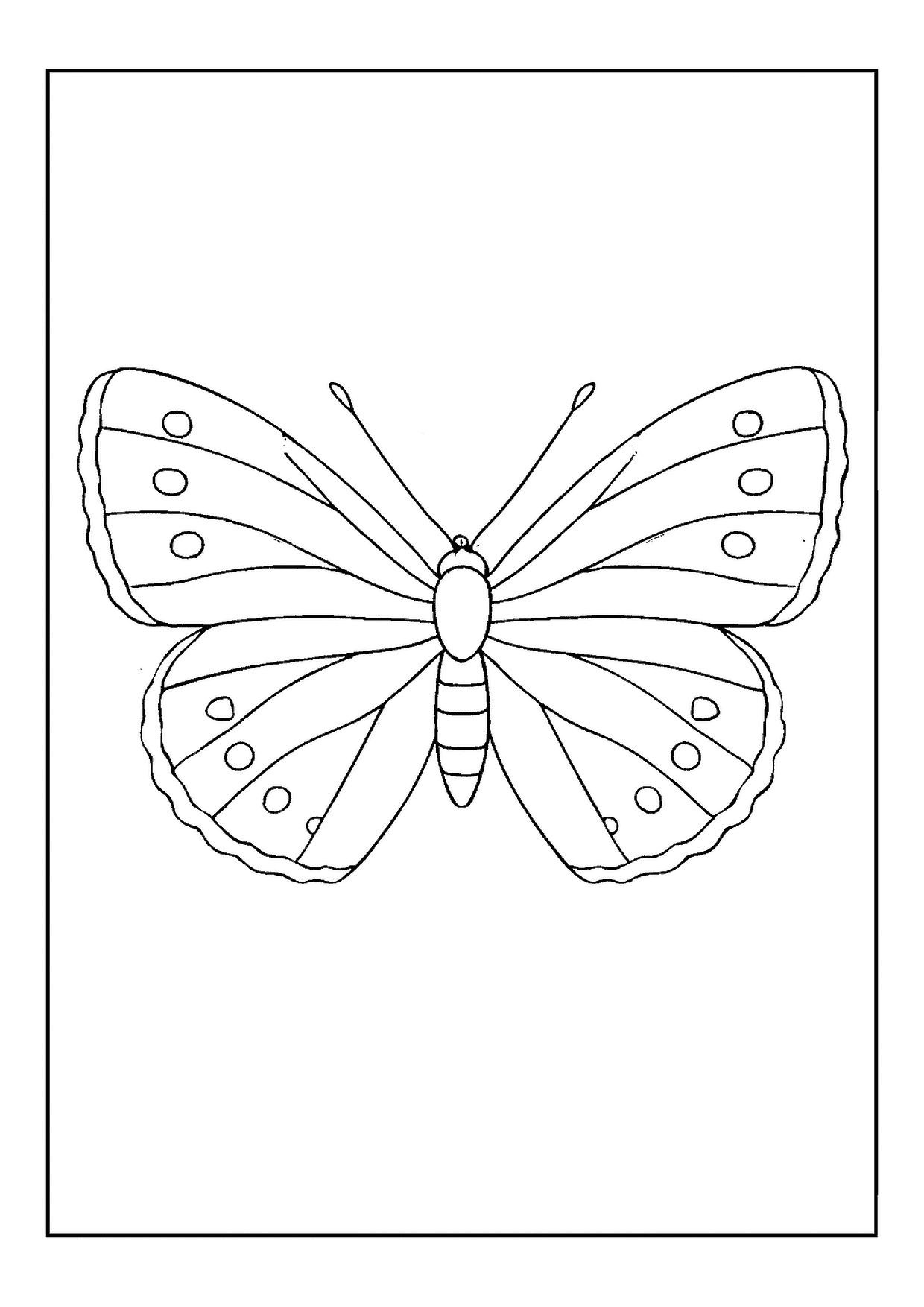
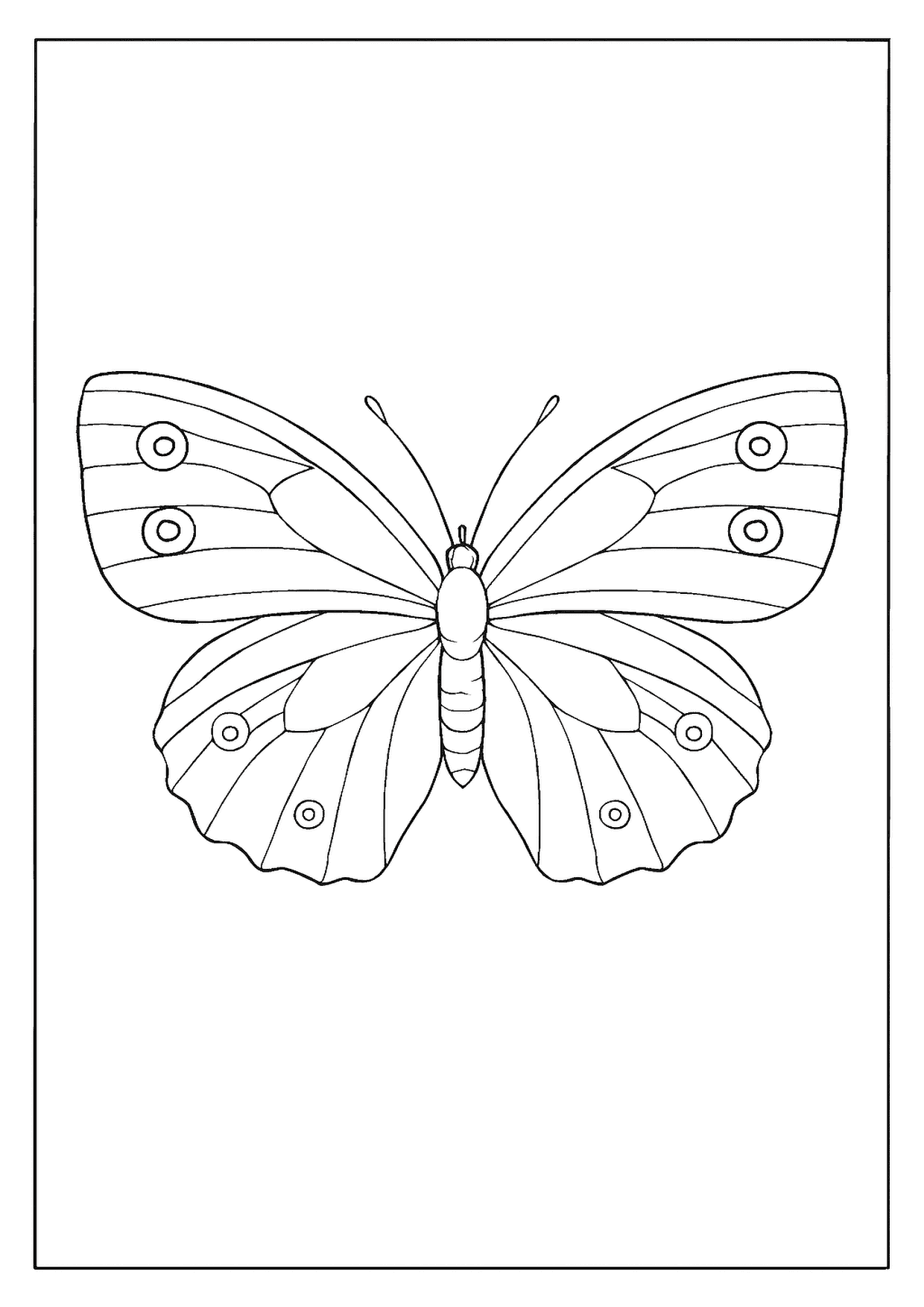
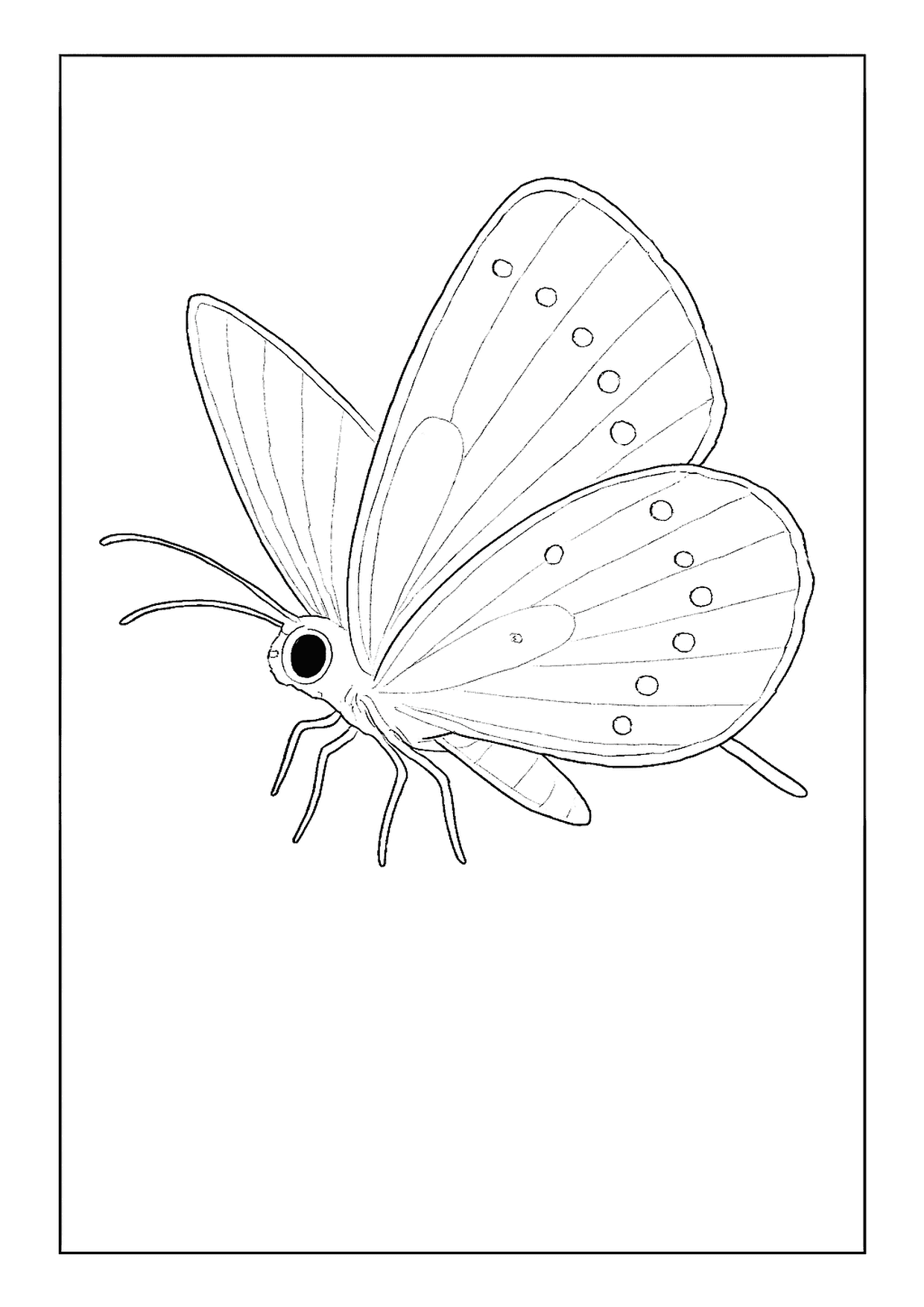
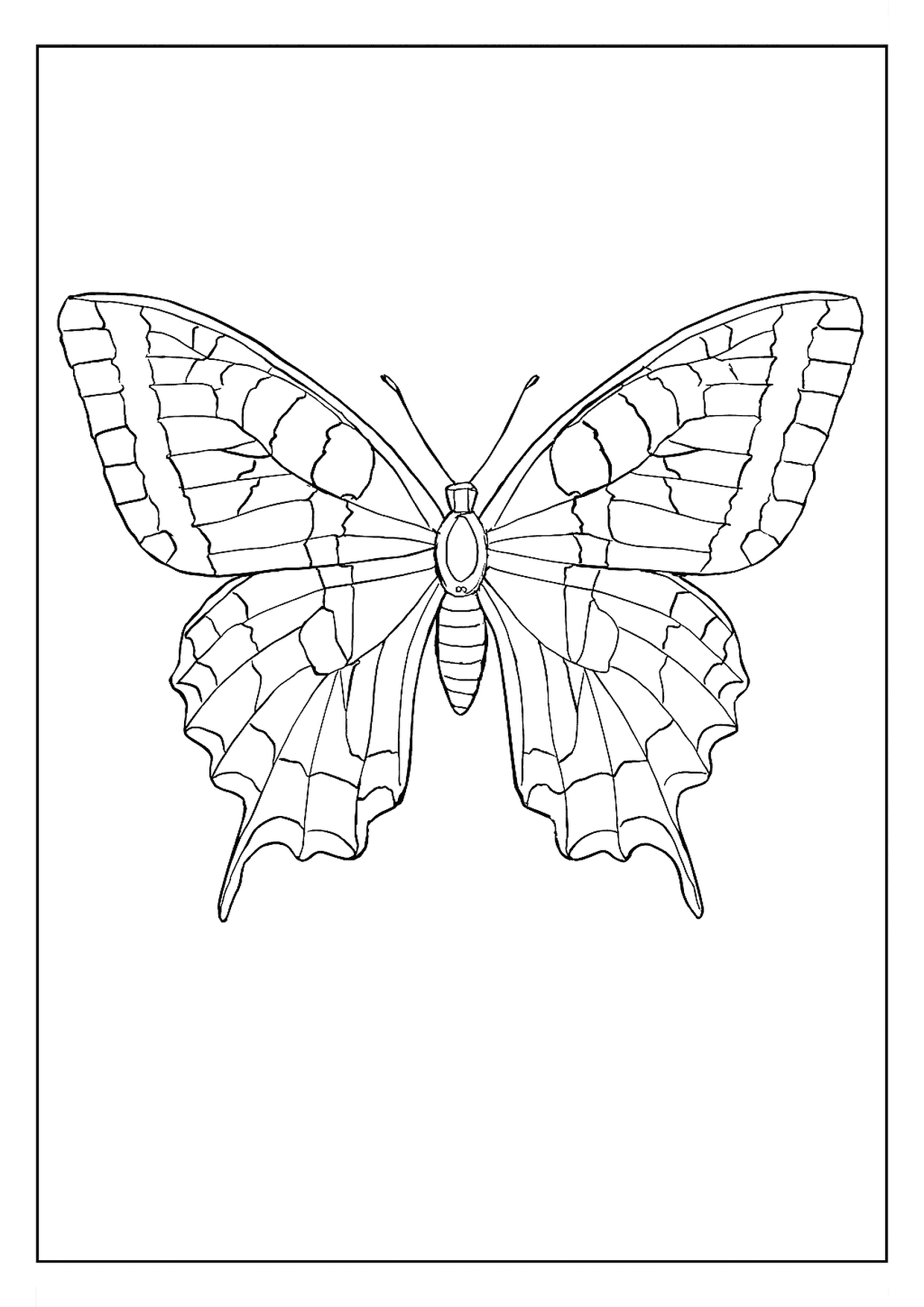
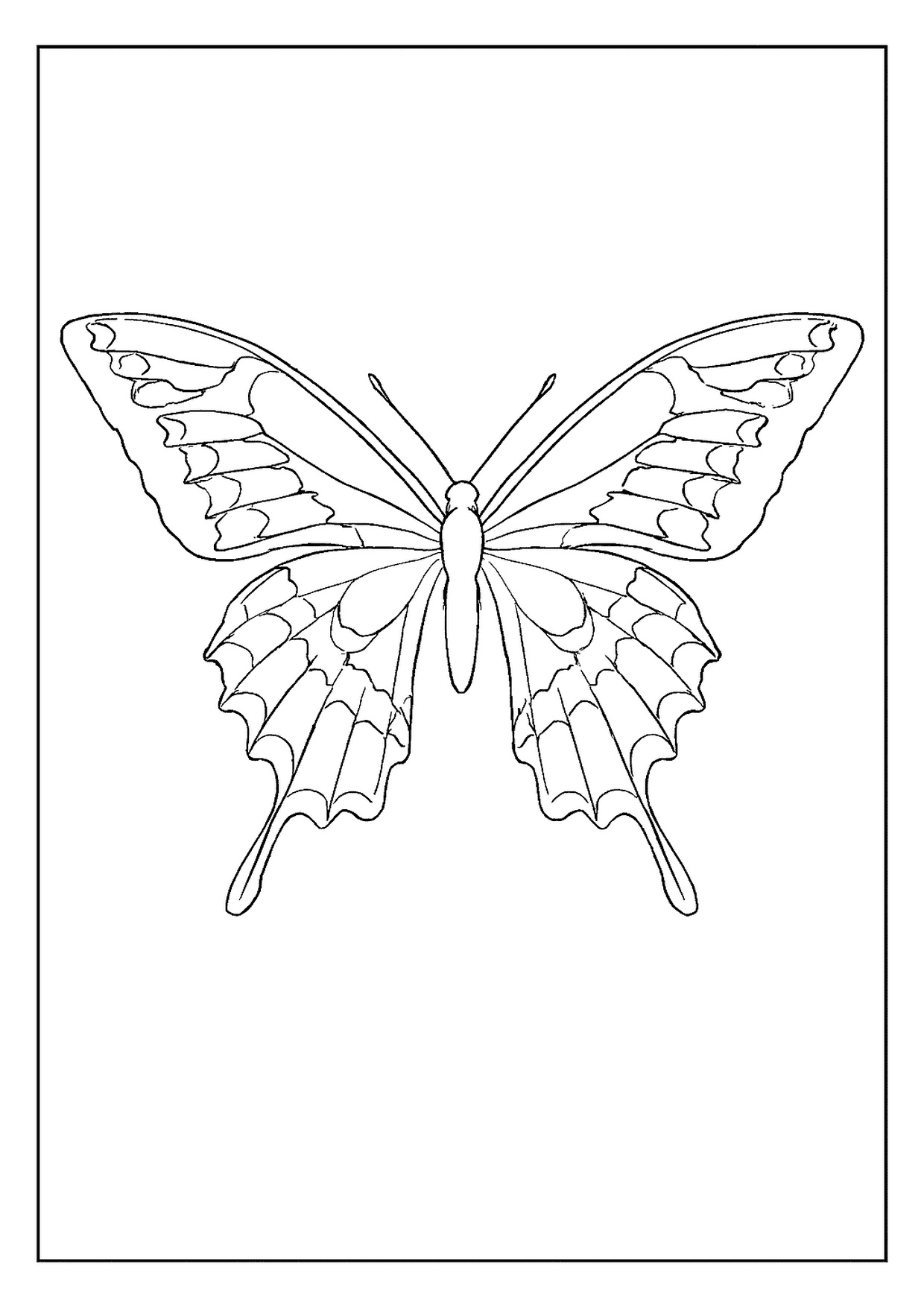
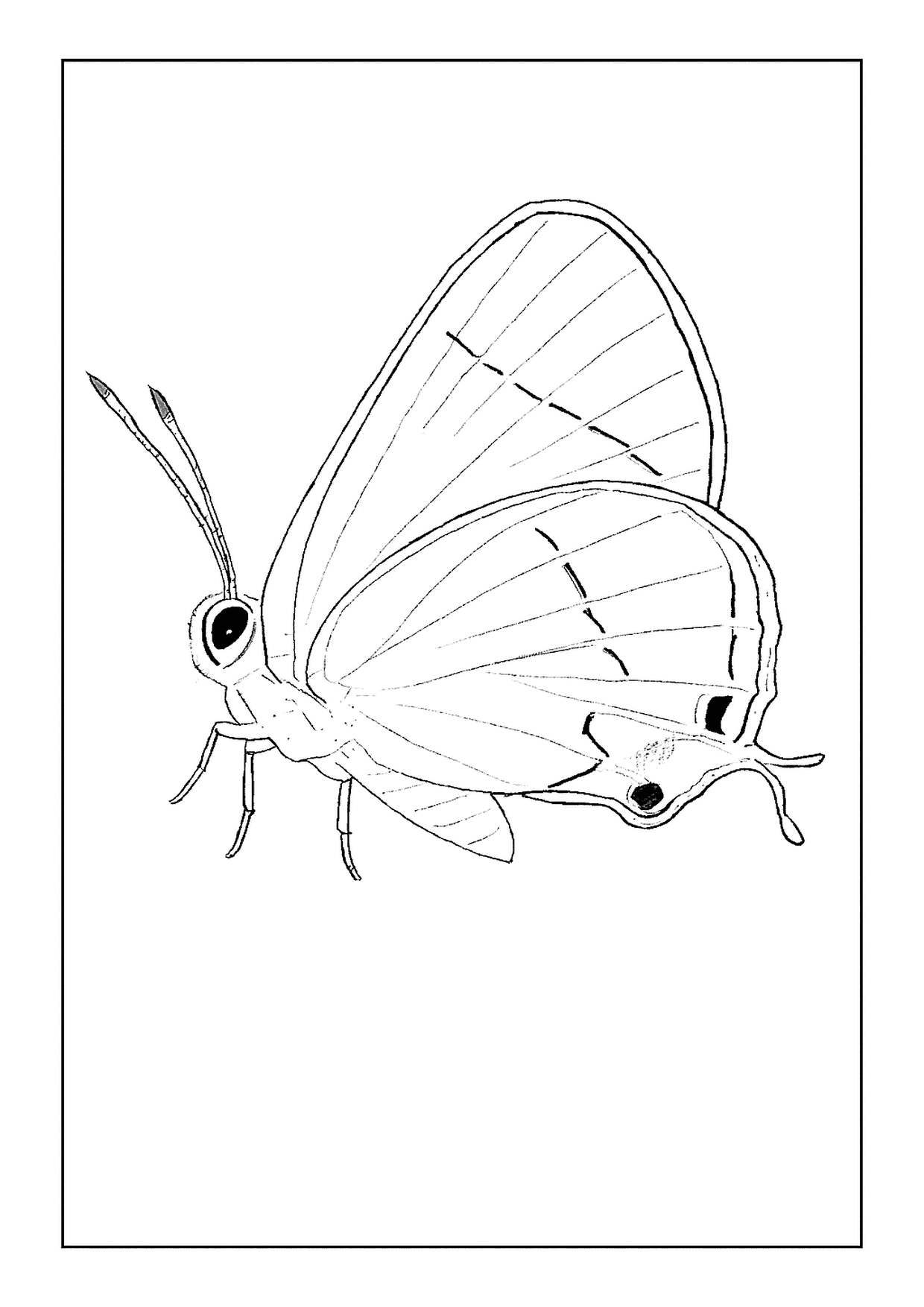
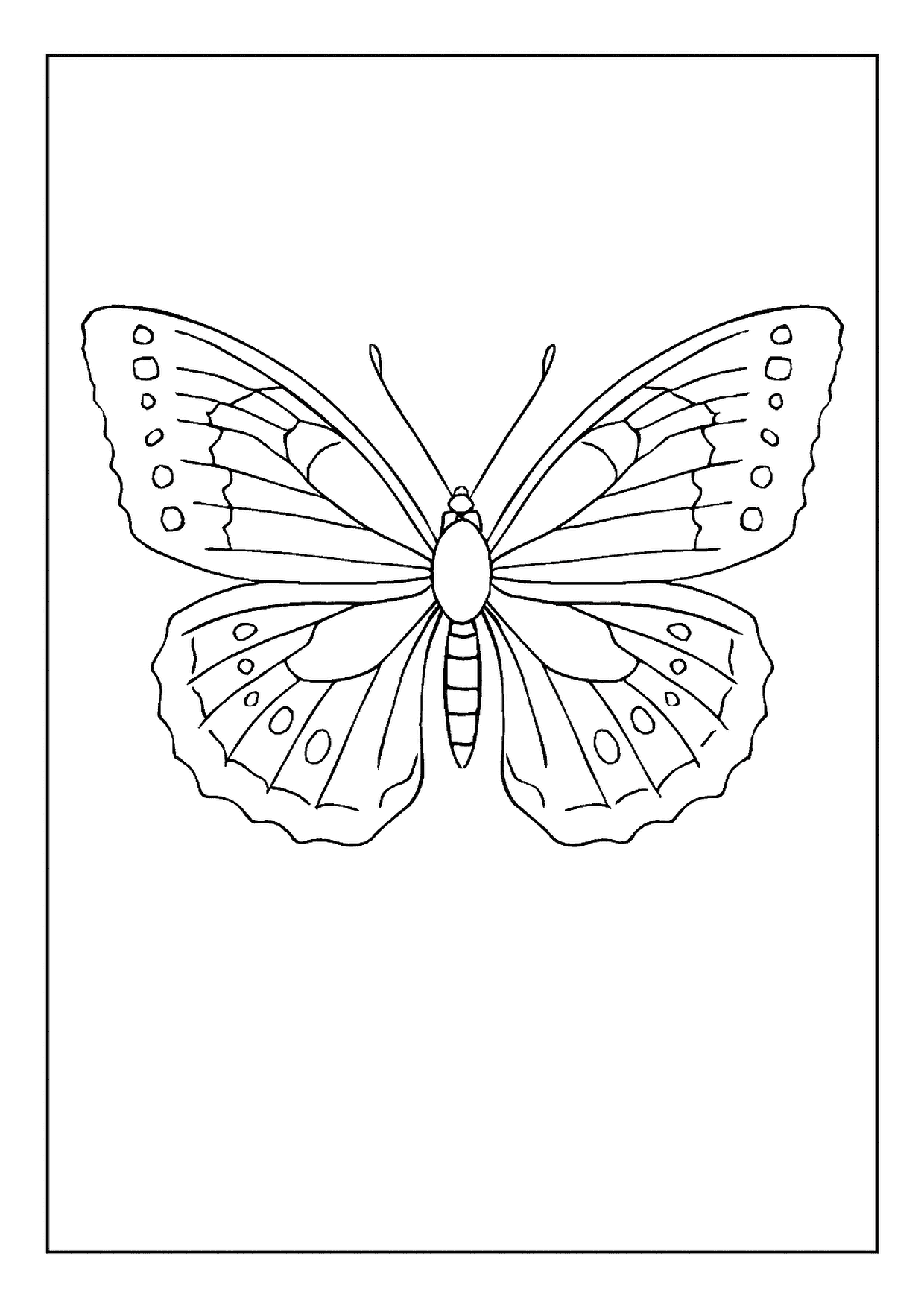
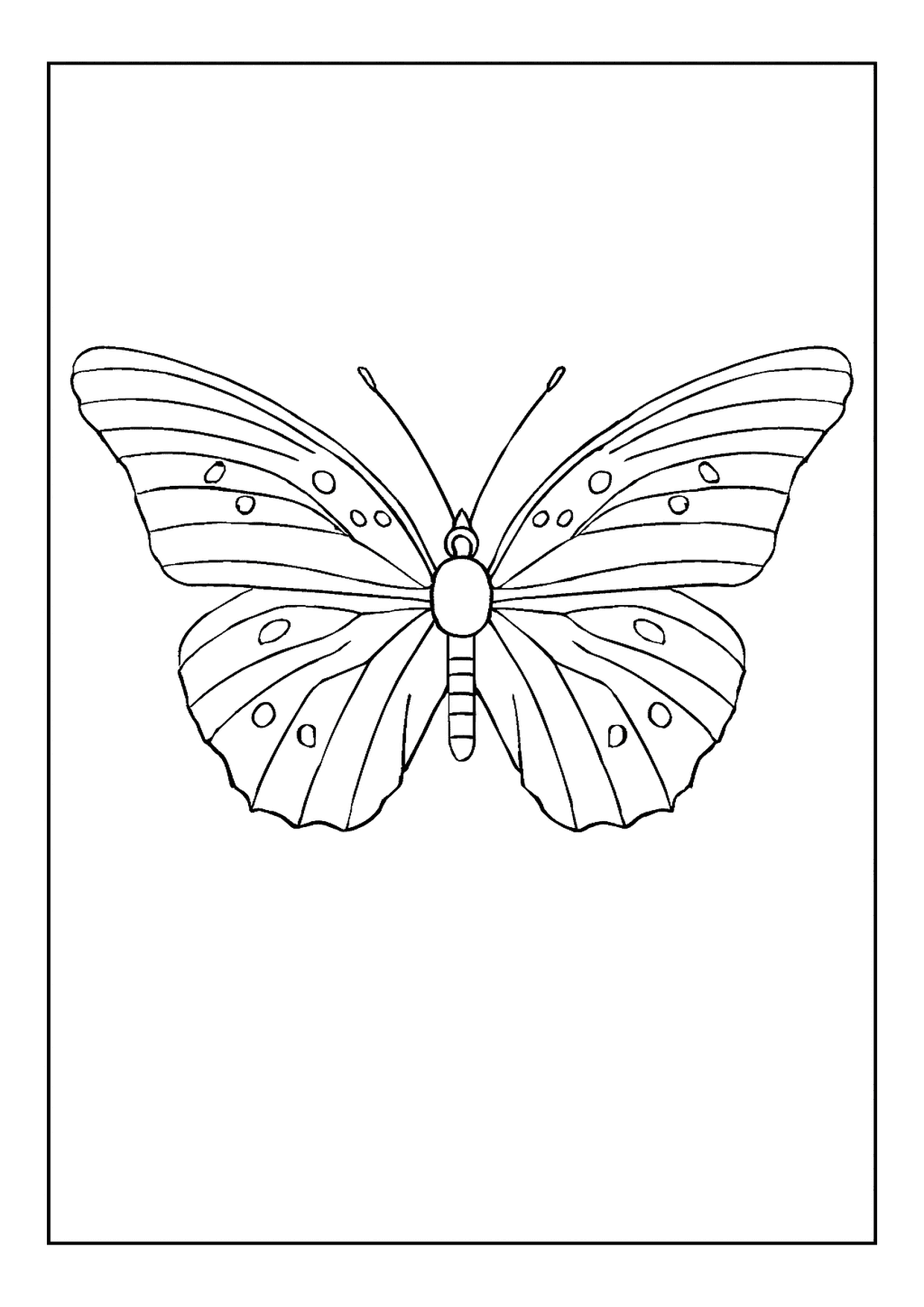
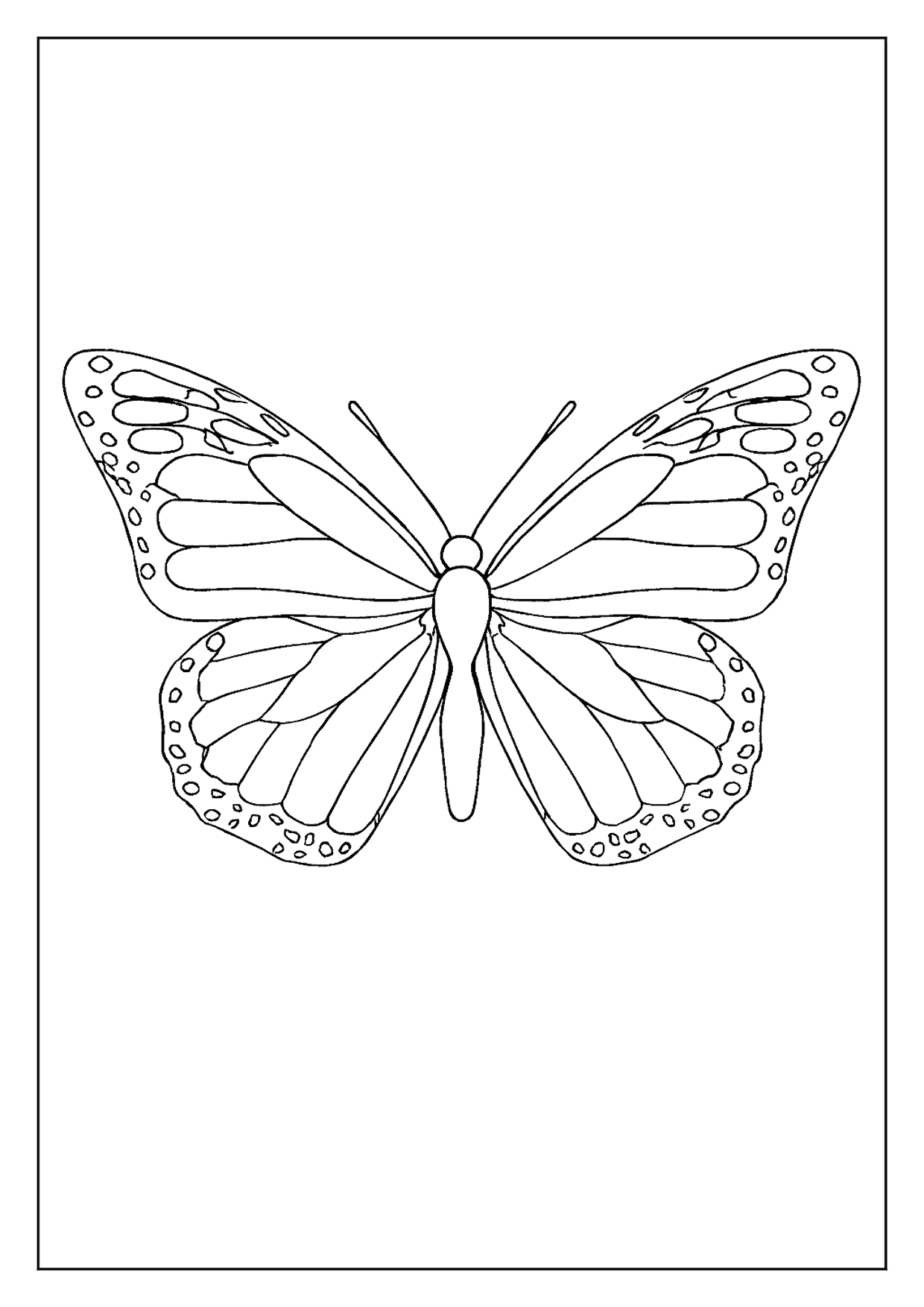
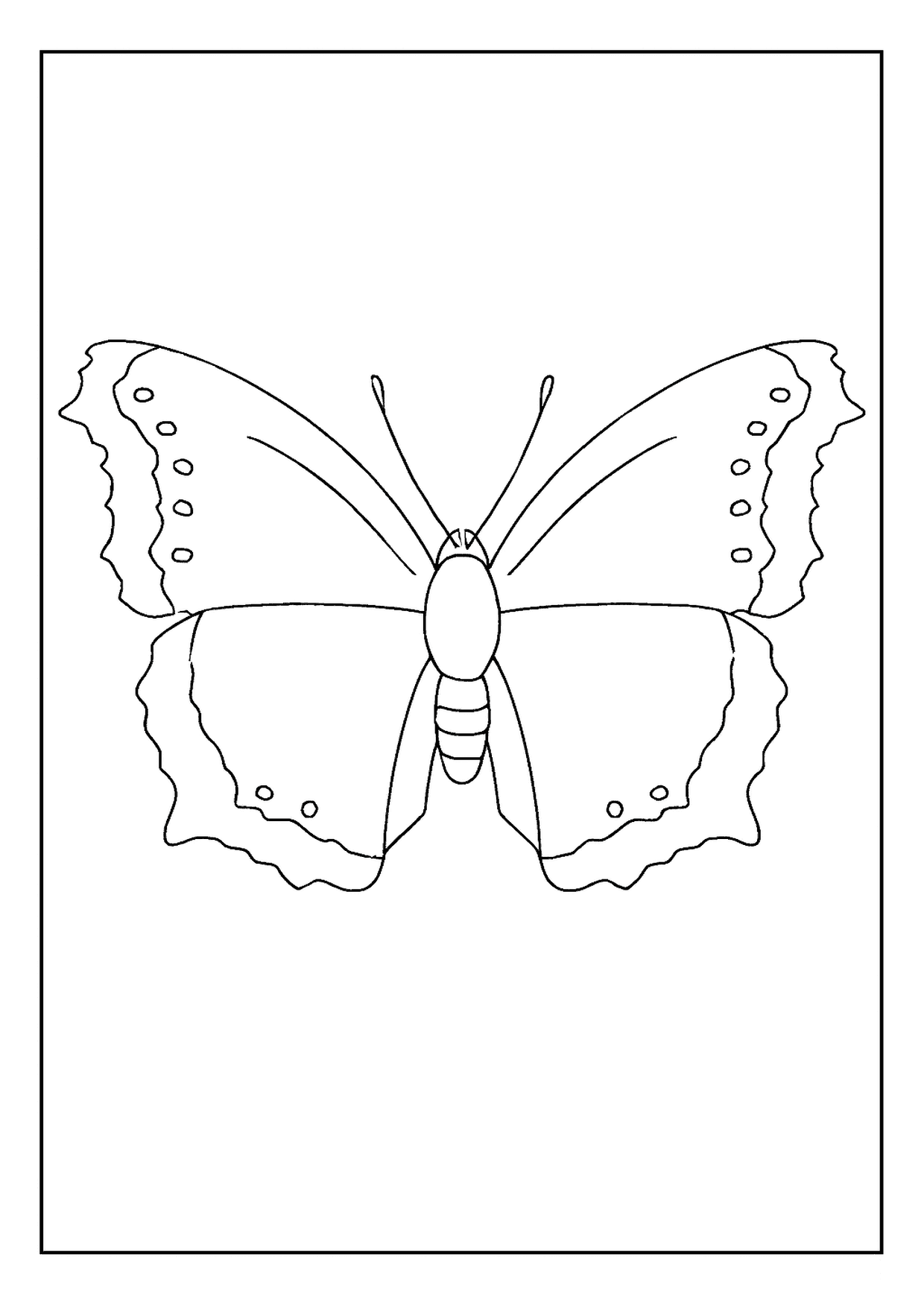
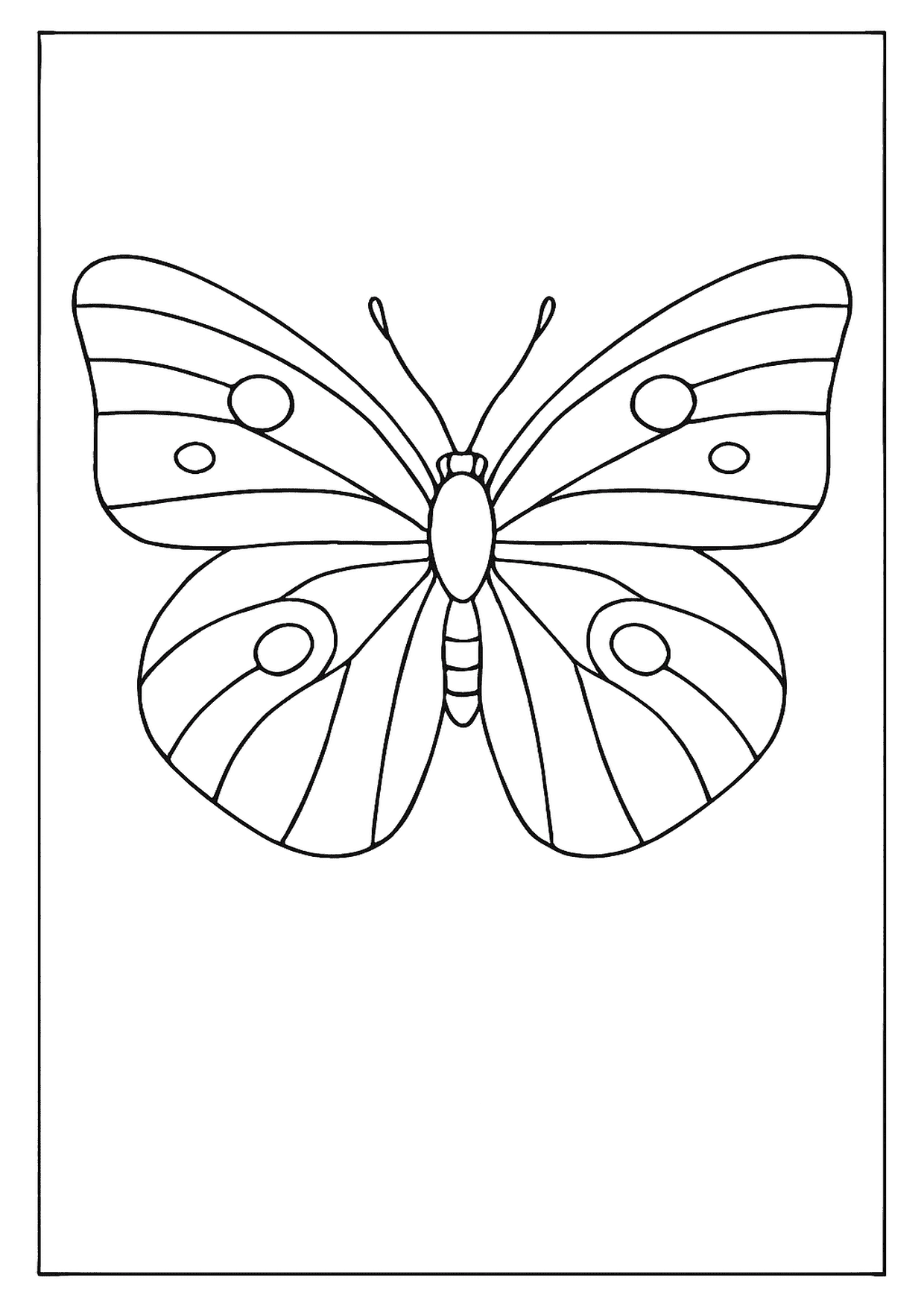
Butterfly coloring pages bring a splash of color and creativity to any quiet moment. Their delicate wings, playful patterns, and graceful shapes make them a favorite choice for both kids and adults who enjoy coloring.
Many people enjoy butterflies because they come in so many colors and designs. Some have bold wing markings, while others feature soft shapes that look almost like tiny works of art waiting for bright crayons and markers.
These pages can turn a simple coloring session into a fun activity filled with imagination. Children can experiment with different color combinations, and older colorists can spend time adding small details to each beautiful butterfly.
🖨️ Fun Creative Ideas for Your Butterfly Coloring Pages
Butterfly coloring pages can become much more than simple coloring sheets. With a little imagination, they can be used for decorations, crafts, gifts, and playful activities that keep creativity flowing long after the coloring is complete.
Create a Butterfly Wall Garden
Color several butterfly pages using different shades and patterns. Try giving each butterfly its own unique look so the collection feels lively and colorful.
Cut out the finished butterflies carefully. Arrange them across a bedroom wall, study corner, or craft space to create a cheerful butterfly garden.
Add paper flowers, leaves, and small clouds around the butterflies. This simple touch helps the display feel more complete and inviting.
Children can move the butterflies into new positions whenever they want. The wall decoration can change and grow over time.
Make Colorful Butterfly Bookmarks
Choose smaller butterfly designs that fit nicely on a bookmark. Bright colors often stand out well against plain paper backgrounds.
Cut out the butterfly and glue it onto sturdy cardstock. This makes the bookmark stronger and helps it last longer.
Punch a hole at the top and add a ribbon. A soft ribbon gives the bookmark a playful finishing touch.
These handmade bookmarks can be shared with friends, classmates, or family members who enjoy reading.
Design Butterfly Greeting Cards
A colored butterfly can become the centerpiece of a homemade greeting card. Fold a piece of cardstock and place the butterfly on the front.
Use glitter pens, colored pencils, or markers to add decorative borders. Small details can make the card feel personal and special.
Write a short message inside for birthdays, thank-you notes, or happy occasions. Handmade cards often feel more meaningful than store-bought ones.
Children enjoy creating cards because they can match colors and designs to the person receiving them.
Create a Butterfly Mobile
Color several butterflies in different sizes and shades. Mixing bright and soft colors can create an interesting visual effect.
Cut out the butterflies and attach strings of different lengths. This helps the mobile look balanced and full of movement.
Hang the butterflies from a wooden hoop or sturdy stick. The butterflies will gently sway whenever a breeze passes through the room.
A butterfly mobile works nicely in bedrooms, reading corners, or play areas. It adds color without taking up much space.
Make Butterfly Gift Tags
Butterfly coloring pages can be turned into charming gift tags. Select smaller butterfly designs that can be trimmed easily.
Color them with shades that match the wrapping paper or gift bag. Coordinated colors help everything look neat and attractive.
Attach each butterfly to a present with ribbon or string. A handmade tag adds a personal touch that many people appreciate.
You can also write names or short messages directly on the back. This keeps the front focused on the colorful artwork.
Build a Butterfly Story Board
Color several butterflies and cut them out carefully. Give each butterfly different colors and patterns to help them stand apart.
Place them on a large sheet of paper and create a simple scene. Add flowers, trees, sunshine, and other nature elements.
Children can invent names and personalities for each butterfly. This encourages creative thinking while making coloring even more enjoyable.
The finished story board can be displayed on a wall or shared during family activities. It becomes both artwork and a storytelling project.